
Introduction to the Best Homemade Lasagna
Lasagna is often considered the ultimate comfort food, and making the best homemade lasagna is a satisfying experience that elevates a classic dish to new heights. But why should you choose a homemade version over takeout?
Why Homemade Lasagna Beats Takeout Every Time
When you whip up a batch of homemade lasagna, you’re not just throwing ingredients together; you’re crafting a meal that reflects your taste and creativity. Unlike the often-greasy, overly salty options from restaurants, homemade lasagna allows you to control the quality of the ingredients. You can handpick the freshest vegetables, high-quality meats, and opt for less processed cheeses to create a dish that’s richer in flavor and healthier overall.
Not only does homemade lasagna taste better, but it also creates a sense of togetherness. Imagine the aroma wafting through your kitchen as it bakes, tempting your family or friends to gather around the table. Plus, there’s something incredibly satisfying about serving a meal that you’ve made from scratch.
If you’re looking for more reasons or tips for making this delicious recipe, check out resources like Serious Eats or Bon Appétit. They offer great insights and variations that can inspire your lasagna-making journey!
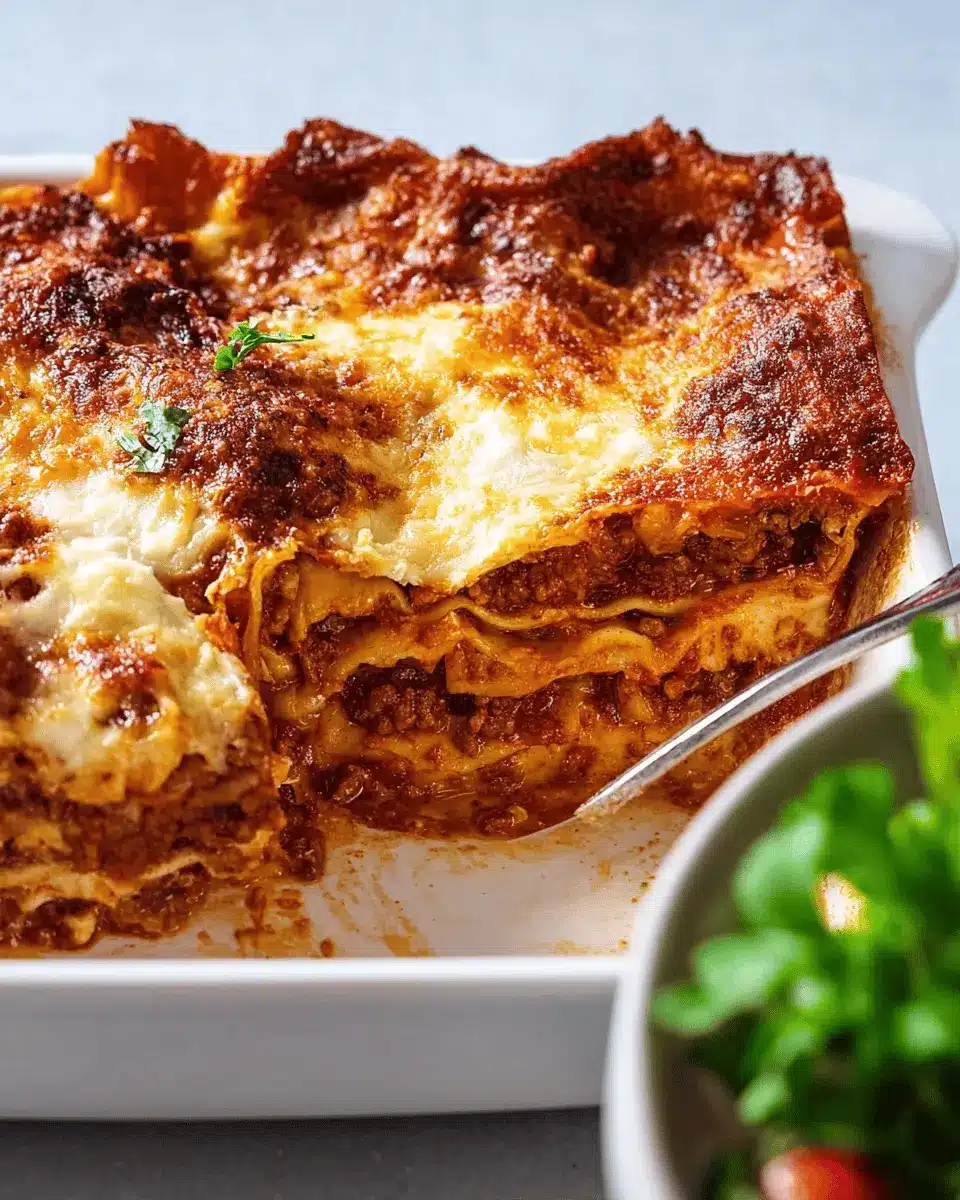
Ingredients for the Best Homemade Lasagna
Creating the best homemade lasagna starts with some essential components that come together to form a comforting classic. Let's break it down!
Essential ingredients for the meat sauce
For a rich and flavorful meat sauce, you'll want:
- Extra virgin olive oil for sautéing
- Ground beef chuck as your protein base
- Diced onions and bell peppers for depth and sweetness
- Minced garlic for that aromatic kick
- Good-quality tomato products like tomato sauce, crushed tomatoes, and tomato paste
- Fresh herbs such as oregano and parsley, plus Italian seasoning for warmth
These ingredients work collaboratively to create a deep, savory sauce that layers perfectly with your noodles.
Lasagna layering components
For the structure of your homemade lasagna, gather:
- Dry lasagna noodles, which serve as the backbone
- Creamy ricotta cheese to provide richness
- Mozzarella cheese for that beautiful, melty topping
Each layer of noodles, sauce, and cheese harmonizes to craft a dish that’s not only hearty but comforting.
Cheese varieties for that perfect melt
When it comes to cheese, the combination of mozzarella and Parmesan is tried and true. Opt for:
- Freshly grated mozzarella cheese to achieve that gooey texture
- Grated Parmesan cheese for a salty finish that enhances every bite
Choosing high-quality cheeses makes all the difference, elevating your lasagna from good to unforgettable.
For more detailed guidance, check out resources on food safety and ingredient functions, which can further illuminate why these choices matter in your cooking!
Preparing the Best Homemade Lasagna
Nothing says comfort food quite like the best homemade lasagna. Whether you’re hosting friends for dinner or just treating yourself, this layered dish is bound to impress. Let’s dive into the steps for creating your culinary masterpiece!
Boil the pasta water
Start by putting a large pot of salted water on the stove over high heat. You’ll want to add about a tablespoon of salt for every two quarts of water. As the water heats, you can multitask by preparing the sauce, saving time in the kitchen. Tip: Make sure the pot is large enough to keep the noodles from sticking together during cooking.
Brown the ground beef
In a large skillet, warm up 2 teaspoons of extra virgin olive oil over medium-high heat. Once hot, add a pound of ground beef chuck and sauté it until it's lightly browned on all sides. Remove the beef with a slotted spoon (let’s focus on keeping things healthy!). Just leave about a tablespoon of fat in the pan to enhance the flavors.
Sauté the vegetables and combine
Next, toss in ¾ cup of diced bell pepper and ¾ cup of diced onion into the same skillet. Cook until the onions turn translucent—about 4 to 5 minutes—then add in minced garlic. Allow it to sauté for about half a minute before returning the browned beef to the pan. This mixture creates a fantastic flavor base for the best homemade lasagna.
Create the rich meat sauce
Transfer your beef mixture into a medium-sized pot and add in your tomatoes: 28 ounces of tomato sauce, 14 ounces of crushed tomatoes, and 3 ounces of tomato paste. Season it well with fresh oregano, Italian seasoning, and parsley. If you like a touch of sweetness to counter the acidity of the tomatoes, add sugar little by little until it tastes just right. Let this simmer while you prepare the noodles.
Cook and prepare the lasagna noodles
Now that your sauce is bubbling away, it’s time to put the lasagna noodles in that boiling water. Follow the package instructions to cook them until al dente. Stir occasionally to avoid stickiness, and once finished, drain and rinse them with cool water. To prevent sticking, toss them in a little olive oil on a baking sheet.
Assemble the lasagna layers
Grab a 9x13-inch casserole dish and start layering! Begin by adding a cup of sauce at the bottom, followed by a layer of noodles. Repeat the process: sauce, mozzarella, dollops of ricotta, and a sprinkle of parmesan. Don’t forget to keep your layers even for a delightful taste in every bite!
Bake to perfection
Preheat your oven to 375°F. Once your delicious layers are assembled, cover the dish with foil (you don’t want the cheese burning!). Bake for about 25 minutes, then remove the foil and let it bake for another 15-20 minutes until everything is bubbly and golden. Allow it to rest a few minutes before diving in!
Now you have not just a recipe but a method for the best homemade lasagna. This dish is sure to quicken the pulse of any gathering. Want to try something different? Consider adding sautéed spinach or mushrooms between the layers for an added twist! Enjoy your cooking adventure!
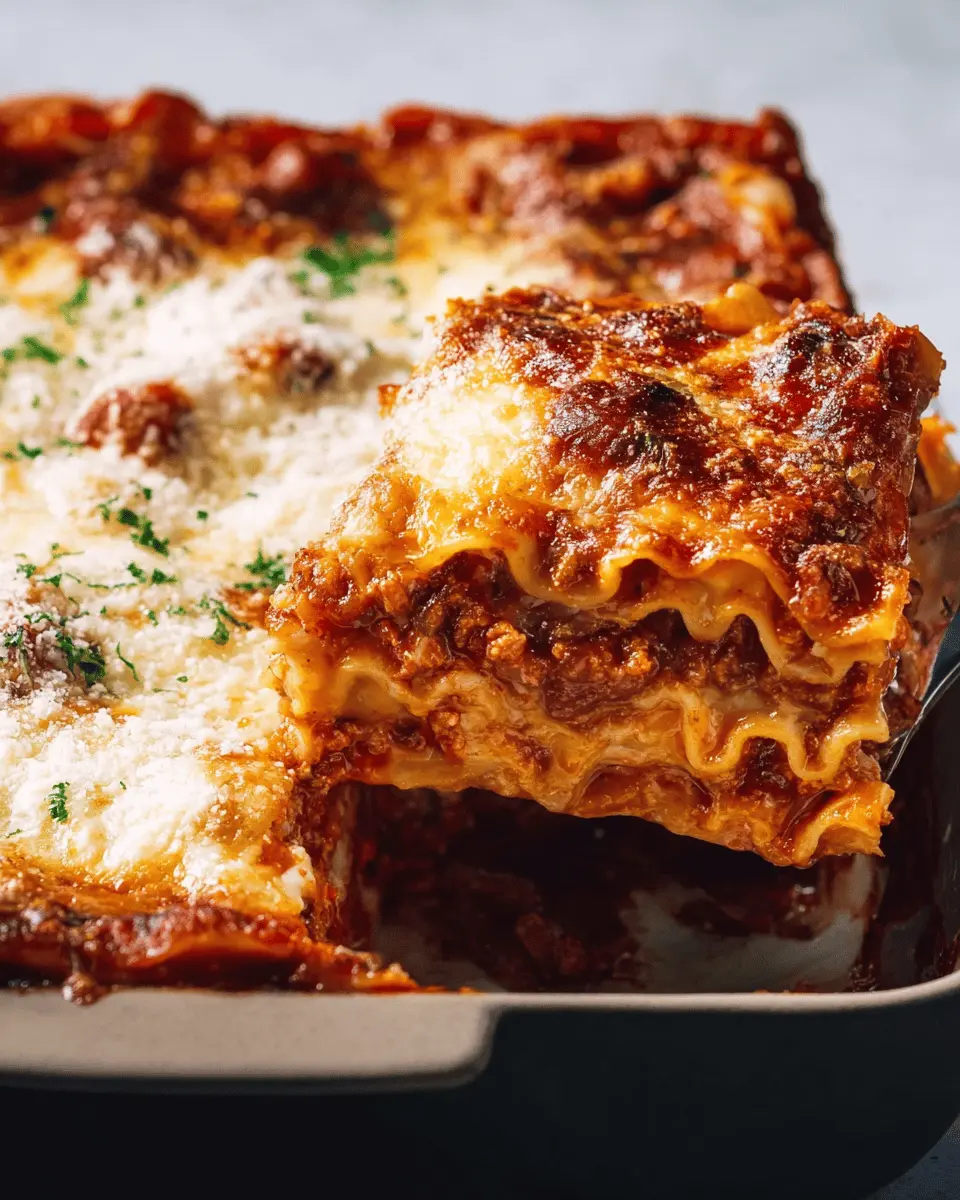
Variations on the Best Homemade Lasagna
Vegetarian lasagna for a meat-free twist
If you're craving the comforting layers of the best homemade lasagna but want to skip the meat, try a vegetarian version! Swap the meat sauce for a rich blend of sautéed mushrooms, spinach, and zucchini, layered with marinara sauce and your favorite cheeses. You can still enjoy all that cheesy goodness while keeping it hearty and nutritious!
Chicken ham lasagna for a lighter option
For those looking for a lighter, unique take on lasagna, consider using chopped chicken ham as the main protein. Combine it with a creamy béchamel sauce or a white sauce, and add plenty of veggies like broccoli or bell peppers for a delightful twist. This variation maintains the comforting essence of traditional lasagna but offers a fresh, flavorful alternative.
These unique variations showcase just how adaptable homemade lasagna can be! Links for more variations can be found on Food Network or Serious Eats.
Cooking Tips and Notes for the Best Homemade Lasagna
Avoiding soggy noodles
To achieve the best homemade lasagna, proper noodle preparation is key. Always cook your noodles al dente—this gives them the perfect texture to hold up under layers of sauce and cheese. After boiling, rinse the noodles with cool water to halt the cooking process, and lightly coat them with olive oil to keep them from sticking together. Not only does this improve texture, but it also enhances the overall flavor of your lasagna.
The importance of letting it cool before slicing
Though tempting, resist the urge to slice your lasagna immediately after taking it out of the oven! Letting it cool for at least 15-20 minutes allows the layers to set, making slicing easier and preventing the filling from spilling out. This step ensures every bite is a delightful combination of flavors and textures. Plus, a well-rested lasagna looks gorgeous when plated! For more insights, check out this helpful guide on the importance of letting your lasagna cool.
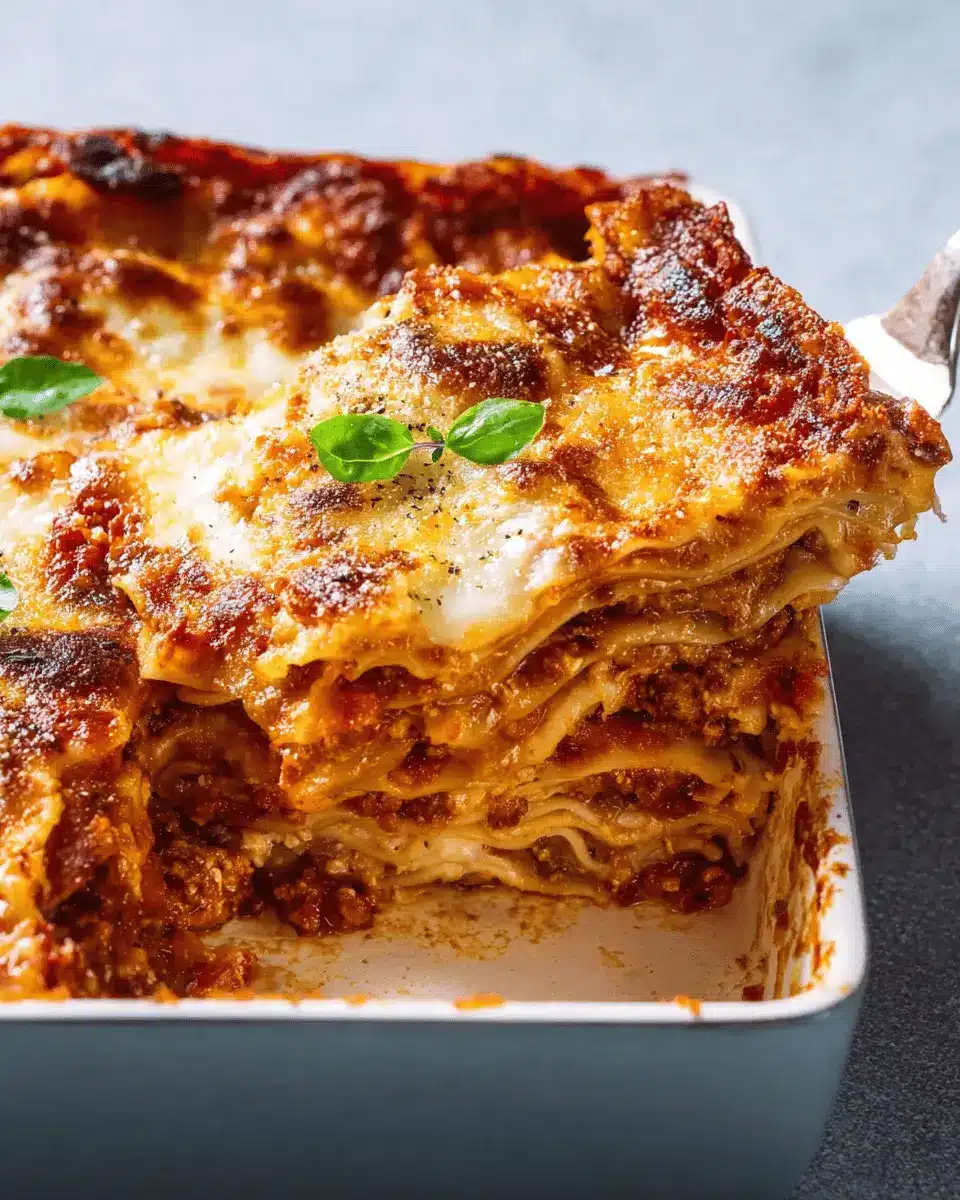
Serving Suggestions for the Best Homemade Lasagna
Pairing with a Fresh Salad
To elevate the best homemade lasagna, serve it with a light, crunchy salad. A simple mix of arugula, cherry tomatoes, and a balsamic vinaigrette can perfectly complement the richness of the lasagna. Not only does a salad add color to your plate, but it also balances the meal and adds refreshing flavors. Plus, it's a great way to sneak in some extra veggies! For additional inspiration, check out some delicious salad recipes here.
Perfect Beverage Alternatives for a Complete Meal
While wine is a classic pairing, why not switch things up? Sparkling water with a splash of citrus or a fruity iced tea can be delightful companions alongside your lasagna. For something more robust, you might try a non-alcoholic beef broth or mushroom soup! These options can add depth to your meal without the alcohol, making it a family-friendly feast. You’re sure to impress your guests with these thoughtful touches!
Remember, it’s all about creating a balanced experience, so go ahead and experiment with your pairings!
Time Breakdown for the Best Homemade Lasagna
Preparation Time
Get excited! The prep time for the best homemade lasagna is just about 30 minutes. This includes chopping vegetables, browning the beef, and layering all the delicious ingredients.
Cooking Time
You’ll love the cooking process, which takes roughly 45 minutes. This allows the flavors to meld beautifully while the lasagna bakes to perfection.
Total Time
In total, you'll spend about 1 hour and 15 minutes from start to finish. That's just enough time to set the table and maybe pour yourself a glass of your favorite non-alcoholic beverage! Enjoy your delightful creation!
Nutritional Facts for the Best Homemade Lasagna
When it comes to the best homemade lasagna, understanding its nutritional profile can help you indulge wisely. Here’s a quick breakdown:
Calories per serving
Enjoying a serving of homemade lasagna typically brings in about 400–500 calories. This makes it a satisfying dish ideal for dinner.
Protein content
This hearty meal is a protein powerhouse, delivering approximately 25–30 grams per serving. It’s a great way to fuel your active lifestyle while enjoying a classic favorite!
Sodium levels
Keep an eye on sodium intake, as homemade lasagna can contain about 800–1,200 mg of sodium per serving, depending on your choices. Opt for low-sodium versions of sauces and cheeses to keep it healthier!
For more insights on healthy eating, check out the USDA's nutrition guidelines or Harvard's nutrition source. Remember, balance is key when enjoying your favorite dishes!
FAQs about the Best Homemade Lasagna
How can I make my lasagna less watery?
If you're finding that your homemade lasagna comes out a bit too watery, there are a couple of tricks to consider. First, ensure you’re using a good-quality tomato sauce that isn’t overly watery. You can also drain excess liquid from canned tomatoes before adding them to the sauce. Another helpful tip is to let the sauce simmer for a bit longer to thicken before assembly. Finally, avoid overcooking the noodles; a little firmness keeps them from soaking up too much moisture.
Can I make lasagna in advance?
Absolutely! One of the best features of the best homemade lasagna is that it can be assembled and stored in the fridge or freezer before baking. If you plan to bake it later, simply layer your ingredients and cover tightly with plastic wrap or aluminum foil. This also helps to meld the flavors, making it even tastier!
What are the best storage methods for leftovers?
To keep your homemade lasagna fresh, store leftovers in an airtight container in the fridge for up to five days. For longer storage, you can freeze individual portions or the entire dish. Be sure to wrap it securely in plastic wrap followed by a layer of aluminum foil for best results. When ready to enjoy, thaw overnight in the fridge and reheat in the oven. For more details, check out resources from FoodSafety.gov.
Conclusion on the Best Homemade Lasagna
In conclusion, preparing the best homemade lasagna is a rewarding experience that brings comfort and joy to any meal. With the right ingredients and a bit of love, this layered dish can become a family favorite. Don’t hesitate to experiment with flavors, and enjoy every cheesy bite!
For more tips and variations on lasagna, check out Serious Eats for expert cooking advice and additional recipes.

The Best Homemade Lasagna
Equipment
- large pot
- large skillet
- 9x13-inch casserole dish
- colander
Ingredients
For the meat sauce
- 2 teaspoons extra virgin olive oil
- 1 pound ground beef chuck
- ½ medium onion, diced (about ¾ cup)
- ½ large bell pepper (green, red, or yellow, diced)
- 2 cloves garlic, minced
- 1 can (28-ounce) good-quality tomato sauce
- 3 ounces tomato paste (half a 6-ounce can)
- 1 can (14-ounce) crushed tomatoes
- 2 tablespoons chopped fresh oregano or 2 teaspoons dried oregano
- ¼ cup chopped fresh parsley (preferably flat leaf, packed)
- 1 tablespoon Italian seasoning
- 1 pinch garlic powder and/or garlic salt
- 1 tablespoon red or white wine vinegar
- 1 tablespoon sugar (to taste, optional)
- Salt to taste
To assemble the lasagna
- ½ pound dry lasagna noodles (requires 9 lasagna noodles - unbroken)
- 15 ounces ricotta cheese
- 1 ½ pounds mozzarella cheese (24 ounces, grated or sliced)
- ¼ pound freshly grated Parmesan cheese (4 ounces)
Instructions
Cooking the lasagna
- Put a large pot of salted water on to boil for the pasta.
- In a large skillet, heat olive oil and brown the ground beef.
- Cook the bell pepper, onions, and garlic; then add back the beef.
- Make the sauce by combining beef mixture with tomatoes and seasonings.
- Boil and drain the lasagna noodles and coat with olive oil to prevent sticking.
- Preheat the oven to 375°F.
- Assemble the lasagna by layering sauce, noodles, ricotta, mozzarella, and Parmesan.




Leave a Reply