
Introduction to English Muffins
When it comes to breakfast options, few things are as delightful as a warm, toasty English muffin. The perfect blend of crispy outside and soft inside makes them an ideal canvas for various toppings. Whether you slather on butter, jam, or create a decadent Eggs Benedict, homemade English muffins elevate any meal. But why should you consider making them at home?
Why make English muffins at home?
Creating your own English muffins provides a unique satisfaction that store-bought versions simply can't match. You'll know exactly what's in them, ensuring a fresh, flavorful, and often healthier alternative. Plus, making them from scratch allows for customization—think whole wheat variations or even adding seeds for a textural twist!
The process itself is simpler than you might think. With just a few pantry staples like flour, yeast, and buttermilk, you can whip up a batch of these delicious muffins. Homemade options are not only cost-effective but also reward you with that fresh-from-the-oven aroma that fills your kitchen—a smell you can't get from a package.
So, roll up your sleeves and prepare to impress friends and family with your baking skills. Trust me, once you try these homemade beauties, you’ll never want the store-bought ones again!
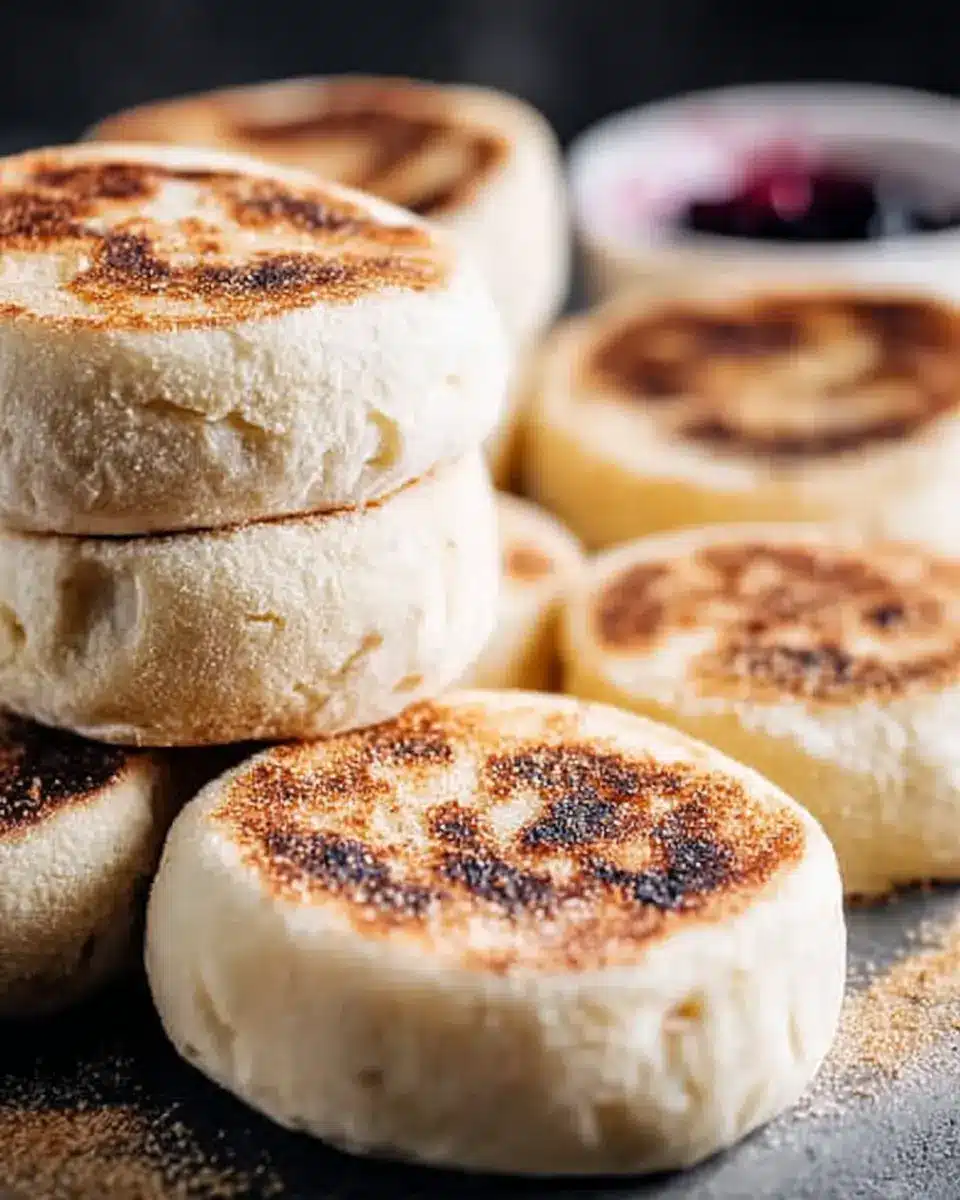
Ingredients for English Muffins
When it comes to crafting homemade English muffins, having the right ingredients is essential for achieving that perfect rise and delightful texture. Let's dive into what you'll need!
Essential ingredients for making perfect English muffins
To start your English muffin journey, gather these key ingredients:
- Instant yeast: This helps your muffins rise quickly. A packet (2 ¼ teaspoons) is all you need to get started!
- Buttermilk: Warm buttermilk (1 ¾ cups) adds a subtle tang and moisture. If you’re out, regular milk can be a substitute.
- Honey: Just 2 tablespoons will sweeten the dough, enhancing flavor.
- Egg: One lightly beaten egg binds everything together.
- Butter: Melted butter (3 tablespoons) gives richness and helps with browning.
- Kosher salt: 1 teaspoon is crucial for seasoning.
- All-purpose flour: You'll need 3 ⅓ cups for the right consistency.
- Cornmeal: Used for coating, about ⅓ cup will add that delightful crunch on the outside.
For an even deeper dive into the importance of each ingredient, check out sources like King Arthur Baking.
Optional ingredients for customization
Want to elevate your English muffins further? Consider these optional ingredients:
- Whole wheat flour: Substitute half the all-purpose flour for a nuttier flavor and added fiber.
- Herbs and spices: Mix in dried herbs like rosemary or garlic powder for an aromatic twist.
- Add-ins: Try incorporating ingredients like cheese, dried fruit, or nuts for an enhanced taste experience.
Feel free to get creative with your English muffins! What will you add? The kitchen is your canvas!
Preparing English Muffins
Making homemade English muffins is a delightful experience that fills your kitchen with warmth and delicious aromas. Follow these steps for a scrumptious batch that will make your mornings brighter.
Mix the Dough
Start by gathering your ingredients: instant yeast, warmed buttermilk, honey, a beaten egg, melted butter, salt, and flour. In a large mixing bowl, combine the yeast, buttermilk, honey, egg, melted butter, and a cup of flour. Mix them thoroughly until you have a well-combined, soft, and sticky dough. Let it rest, covered, for about 20 minutes. This resting period allows the gluten to relax, making your English muffins light and airy.
Scoop and Shape the Muffins
Once your dough has rested, it's time to scoop! Line two baking sheets with parchment paper and sprinkle some cornmeal in between. Grease a ¼ cup measuring cup with non-stick cooking spray. Use it to scoop even portions of the dough onto the cornmeal, creating “blobs.” Using your hands, shape each blob into a flat, round disk, approximately 3 inches in diameter. Ensure to press them down lightly for that perfect muffin shape!
Allow the Muffins to Rise
Cover your shaped muffins with a light kitchen towel or plastic wrap, and let them rise for about 1 ½ hours. This step is crucial; it allows the dough to ferment and grow, resulting in fluffy muffins. You’ll notice they’ll puff up beautifully, doubling in size.
Cook the Muffins
Once risen, it’s time to cook! Preheat your griddle or skillet to about 325°F. Carefully place the muffin disks onto the hot surface using a spatula. Cook for 7-10 minutes on one side until puffed and golden brown, then flip to the other side. Cook for another 7-12 minutes, checking that they feel firm and no longer doughy. If you have a thermometer handy, a reading of about 200°F in the center means they are ready to come off!
Cool and Split the Muffins
Transfer your English muffins to a wire rack to cool completely. This step is essential for achieving that perfect texture. When they’re cool, take a fork and gently poke the outside center. Split them open to reveal the nooks and crannies inside—ideal for holding toppings. Toast them and enjoy with butter, jam, or even as the base for a delicious breakfast sandwich featuring turkey bacon or chicken ham.
Making your own English muffins is not only rewarding but also a fantastic way to impress friends and family. So, why settle for store-bought when you can create something truly special in your own kitchen? Happy baking!
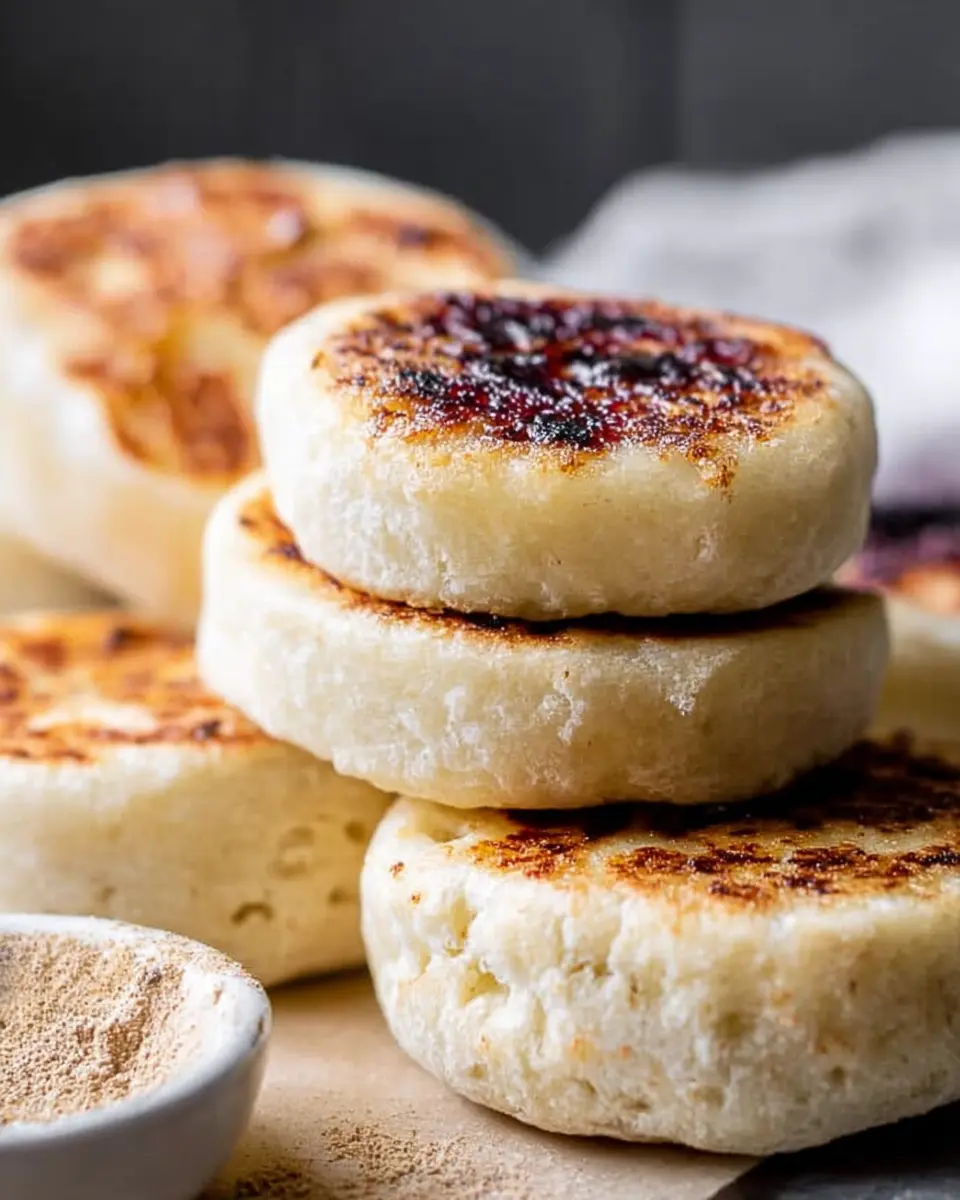
Variations on English Muffins
Whole Wheat English Muffins
If you’re looking to add more nutrition to your breakfast, try incorporating whole wheat flour into your English muffins. By substituting half of the all-purpose flour with whole wheat flour, you’ll embrace a nuttier flavor and a slight increase in fiber. While the texture may be a tad denser than traditional English muffins, the added health benefits make it worth a try. You can even go fully whole wheat if you’re feeling adventurous, but remember, the muffins will be more compact.
Flavor-Infused English Muffins
Why stop at plain when you can elevate your English muffin game? Experimenting with flavor-infused options can turn your morning routine into a delightful experience. Additions such as:
- Herbs: Consider mixing in chopped fresh herbs like rosemary or basil for an aromatic touch.
- Cheese: Grated cheese, such as sharp cheddar or feta, will melt beautifully and provide a savory twist.
- Spices: Cinnamon with a hint of nutmeg can bring a warm, comforting flavor, perfect for a sweeter breakfast.
These simple tweaks open up a world of delicious possibilities. What unique combinations will you try?
Cooking Tips for English Muffins
Yeast Tips for Beginners
Working with yeast can feel daunting, but it’s easier than you think! For beginners, I recommend using instant yeast since it doesn’t require proofing. Simply mix it directly into your dry ingredients. If you opt for active dry yeast, be sure to activate it in warm buttermilk mixed with a bit of honey for about five minutes until it’s frothy. This is a fun and straightforward way to ensure your English muffins rise perfectly!
Perfecting the Cooking Temperature
Getting the right cooking temperature is key to achieving a golden, fluffy English muffin. Aim for a griddle temperature of about 325°F. If you’re using a skillet, set it to medium or medium-low heat. Keep an eye on them as they cook; they should puff up nicely and turn golden. Use a thermometer to check if they reach an internal temperature of about 200°F. Perfectly cooked muffins will feel firm yet slightly springy when you gently press them.
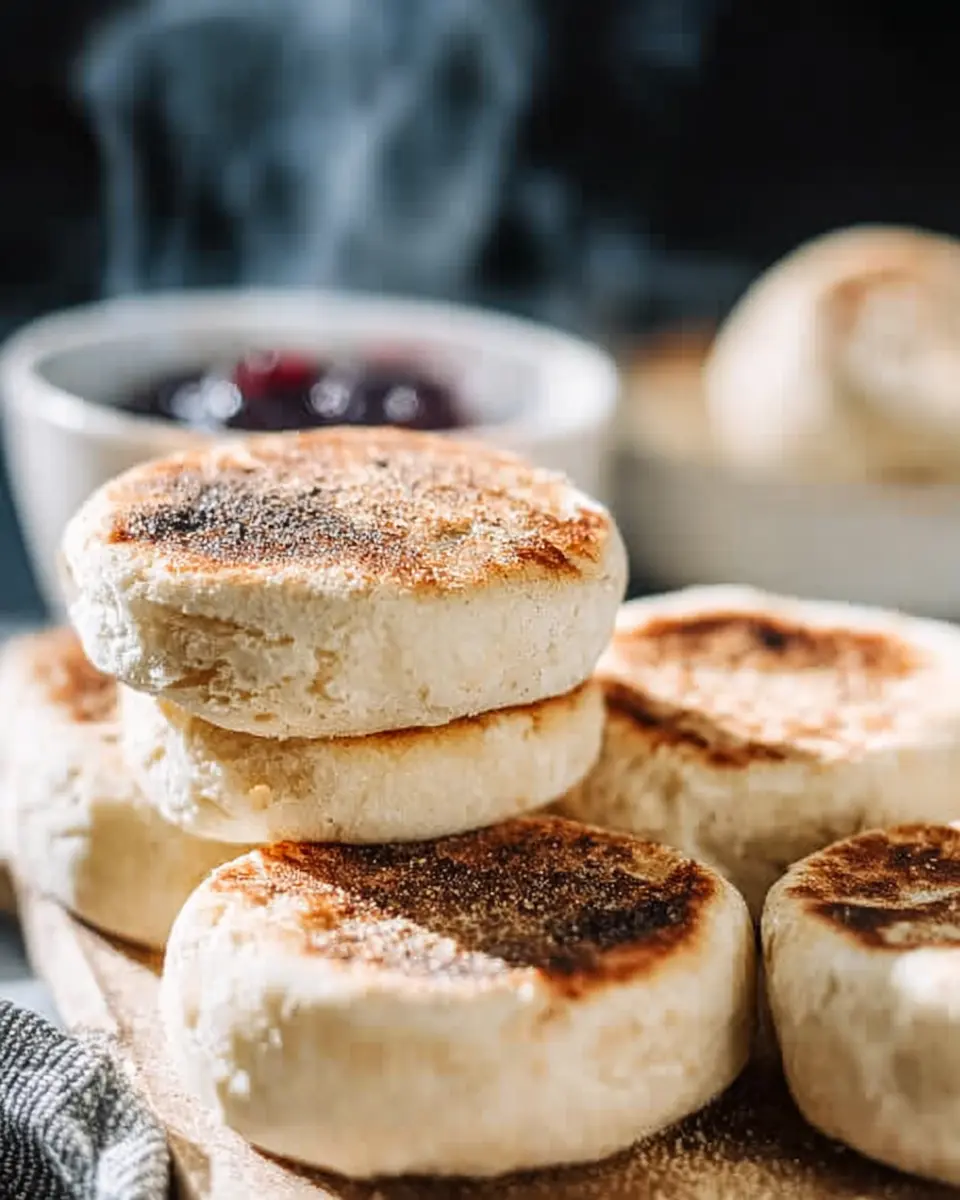
Serving suggestions for English Muffins
Breakfast sandwich ideas
Who doesn't love a delicious breakfast sandwich? English muffins make a perfect base. Try these combinations:
- Egg, Turkey Bacon, and Cheese: A classic that never disappoints.
- Avocado and Poached Egg: For a healthy, satisfying start to your day.
- Spinach and Feta: Mix it up with some veggies for a refreshing option.
Toppings to elevate your muffins
For an extra burst of flavor, reach for simple yet effective toppings:
- Peanut Butter and Banana: A quick option that packs a protein punch.
- Cream Cheese and Smoked Salmon: A fancy touch for a weekend brunch.
- Honey and Almonds: A sweet treat that’s perfect for satisfying cravings.
With these ideas, your English muffins will never be boring! Try them out and share your favorites!
Time Breakdown for English Muffins
Here’s a quick overview of the time you'll need to whip up a batch of delightful English muffins.
Preparation Time
- 20 minutes: This includes mixing the dough and letting it rest.
Rising Time
- 1 ½ hours: A crucial step for achieving that light and airy texture.
Cooking Time
- 15-22 minutes: Allow around 7-10 minutes on each side for a perfectly golden finish.
Total Time
- Approximately 2 hours, 15 minutes: From prep to plate, you'll be enjoying warm English muffins in no time!
Having an organized timeline can make your baking experience much smoother. Enjoy the process and savor the delicious results! For more tips on making these muffins, check out other baking resources.
Nutritional Facts for English Muffins
When you're enjoying freshly baked English muffins, it's helpful to know what you're fueling your body with. Here’s a quick look at the nutritional breakdown.
Calories
Each English muffin contains about 171 calories, making it a moderate choice for breakfast or a snack.
Carbohydrates
Packed with approximately 28 grams of carbohydrates, these muffins provide a great source of energy to kickstart your day.
Protein
With around 5 grams of protein, English muffins are a good addition to your diet, especially when topped with nut butter or avocado for an extra boost!
For more detailed nutritional information, check out sources like the USDA FoodData Central or NutritionData. Enjoy your baking!
FAQs about English Muffins
How do I store English muffins?
To keep your delicious English muffins fresh, store them in an airtight container at room temperature. They should stay good for about 3-4 days. If you notice any moisture or feel they’re turning stale, it's best to eat them quickly or consider freezing them.
Can I freeze my English muffins?
Absolutely! Freezing is a great option to extend the shelf life of your English muffins. Place them in a freezer-safe bag or a sealed container, and they’ll keep well for up to 3 months. When you're ready to enjoy them, simply reheat in the microwave for a few seconds, then pop them in the toaster for that perfect crunch.
What can I substitute for buttermilk?
If you don't have buttermilk on hand—no worries! You can easily make a substitute by mixing regular milk with a splash of vinegar or lemon juice. Let it sit for about 5 minutes until it thickens slightly. This homemade version gives you a similar tangy flavor that works beautifully in your English muffins. For a detailed guide, check out this helpful article on making buttermilk.
Feel free to ask more questions or share your English muffin experiences; I'm here to help!
Conclusion on English Muffins
English muffins are a delightful addition to any breakfast table. Homemade, they boast a fresh taste and texture that store-bought versions simply can’t match. Spreading butter or jam on a warm muffin is comfort food at its finest. Try making your own; you might just fall in love!
English Muffins
Equipment
- mixing bowl
- Measuring cups
- sheet pans
- Parchment paper
- spatula
- griddle
- Wire cooling rack
Ingredients
- 2 ¼ teaspoons instant yeast 1 packet
- 1 ¾ cups buttermilk warmed (or use regular milk)
- 2 Tablespoons honey
- 1 large egg lightly beaten
- 3 Tablespoons butter melted
- 1 teaspoon kosher salt
- 3 ⅓ cups all-purpose flour
- ⅓ cup cornmeal for coating on the outside of the muffins
Instructions
Mixing and Rising
- Add yeast, milk, honey, egg, butter, salt, and 1 cup flour to a mixing bowl and mix well. Add remaining flour and stir everything until well combined, forming a soft, sticky dough. Cover bowl and rest for 20 minutes.
- Cover the pans with a light kitchen towel or plastic wrap and allow to rise for 1 ½ hours.
Shaping and Cooking
- Line two sheet pans with parchment paper and sprinkle cornmeal between the two. Grease a ¼ cup measuring cup with non-stick cooking spray and scoop batter into equal portioned ‘blobs’ onto the cornmeal on the sheet pans.
- Press and shape each batter blob into a flat, round disk, around 3 inches in diameter, then flip to the other side, to coat both flat sides lightly in cornmeal. Space the dough discs at least an inch apart along both baking sheets.
- Heat a griddle to about 325°F. Use a spatula to gently pick up the English muffin disks and place them on the hot pan. Cook for 7-10 minutes until puffed and golden. Flip and cook for another 7-12 minutes until golden on the bottom and fully cooked.
Cooling and Serving
- Remove English muffins to a wire cooling rack and allow to cool completely before splitting open and eating.
- To split open, poke the tines of a fork around the outside center of each muffin, then split apart.
- Toast them and serve with butter, jam, marmalade, or peanut butter.



Leave a Reply