
Introduction to Chow Mein
Chow Mein is more than just a delicious dish; it’s a celebration of flavors and textures that you can easily recreate in your own kitchen. This classic stir-fried noodle dish, which hails from Chinese cuisine, offers a perfect combination of tender noodles, crisp vegetables, and your choice of protein. It's the ideal homemade meal whether you're looking for something quick after a long day or planning a vibrant weekend dinner with friends.
Why Chow Mein is the Perfect Homemade Meal
What makes chow mein truly exceptional is its adaptability. You can customize it to suit your taste, making it an excellent way to use up leftover veggies or proteins in your fridge. From succulent chicken breast to hearty beef or even tofu for a vegetarian option, the possibilities are endless. Plus, preparing chow mein at home allows you to control the ingredients, making it as healthy or indulgent as you like.
And let’s not forget the vivid colors and satisfying crunch of fresh vegetables like cabbage, carrots, and bean sprouts; they add a delightful pop to your plate. Dive into this crowd-pleaser and enjoy a taste of Asia right at home! If you're ready to cook, check out our detailed recipe below and bring that restaurant-quality chow mein to your dinner table.
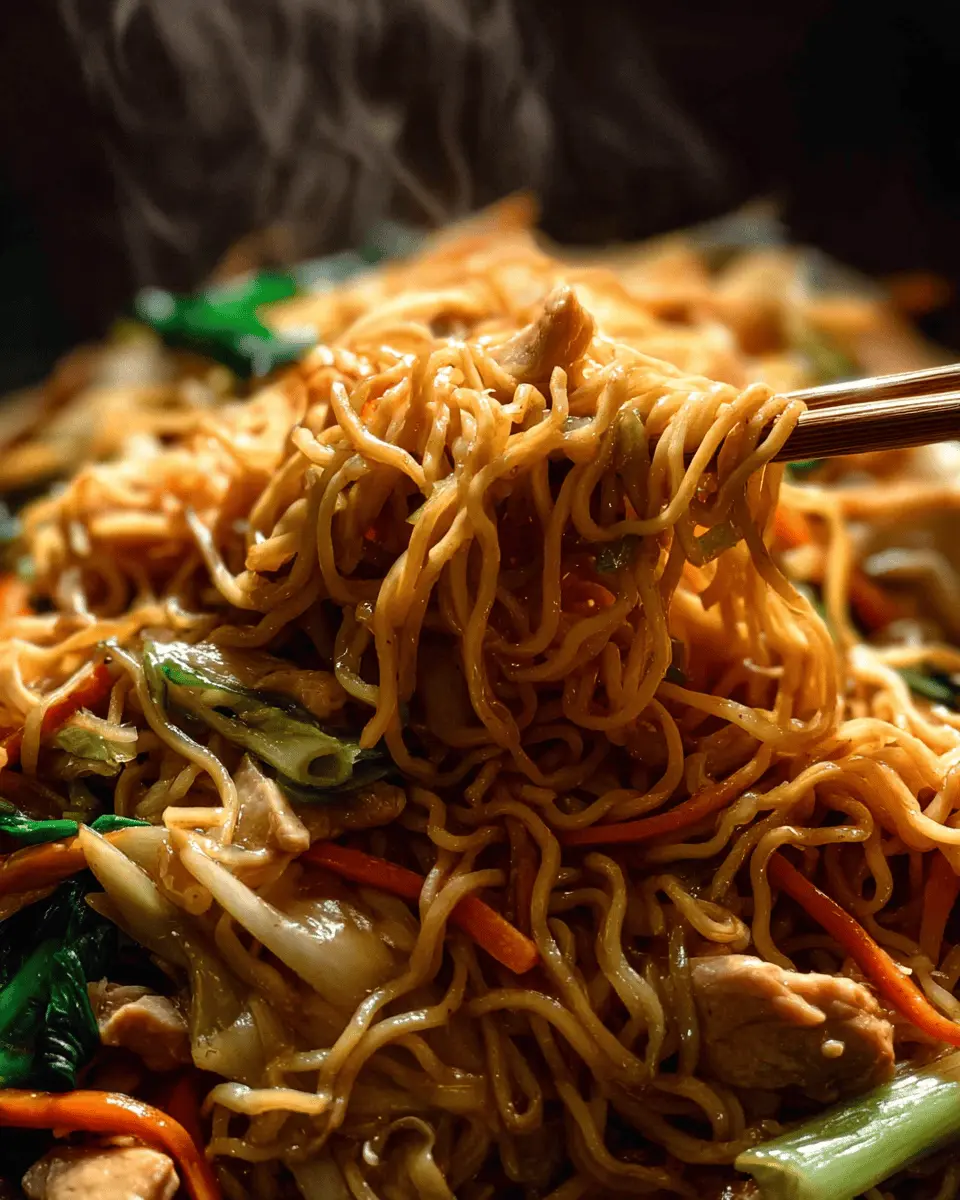
Ingredients for Chow Mein
When whipping up a delicious Chow Mein, having the right ingredients is key to capturing that authentic flavor. Here’s a breakdown to get you started!
Essential ingredients for Chow Mein
To create a scrumptious Chow Mein, here's what you'll need:
- Noodles: 200g of chow mein noodles are a must for the perfect texture.
- Protein: Choose 200g of chicken breast or thighs, thinly sliced.
- Vegetables: 4 cups of finely shredded green cabbage, along with carrots, bean sprouts, and green onions to bring freshness and crunch.
- Seasoning: Don't forget 2 cloves of garlic and a mix of sauces, including soy sauce, oyster sauce, and a hint of sesame oil for that savory kick.
Optional ingredients for personalization
Feel free to customize your Chow Mein with optional ingredients like:
- Vegetables: Add bell peppers, bok choy, or snow peas for extra flavor and nutrients.
- Proteins: Swap chicken for beef, turkey, or even shrimp based on your preference.
- Seasonings: A dash of white pepper or chili flakes can spice things up, while a splash of mirin adds a touch of sweetness.
Personalizing your Chow Mein not only makes it your own but also ensures that every bite is a delight! Happy cooking!
Preparing Chow Mein
Making Chow Mein at home might seem daunting, but I assure you it's a delightful and rewarding experience! You can whip up this flavorful dish with a little preparation and attention to detail. Let's break it down step by step.
Marinade the Chicken
To kick off this delicious Chow Mein, start by marinating your chicken. You’ll need about 200g (6 oz) of chicken breast or thigh fillets, thinly sliced. In a bowl, pour 1 tablespoon of your prepared sauce over the chicken, ensuring every piece is coated. Let it sit for roughly 10 minutes. This not only adds flavor but also tenderizes the meat, making it juicy and delectable. Have you ever tried velveting chicken? It’s a fantastic technique used in Chinese cooking that makes the meat incredibly tender!
Prepare the Chow Mein Noodles
Next, let’s tackle the noodles. Grab 200g (6 oz) of chow mein noodles, which you can find at any Asian grocery store or even local supermarkets. Follow the package instructions for preparation; for instance, some brands recommend soaking them in boiled water for just one minute. Once they’re pliable, drain the noodles and set them aside. This step is crucial as it ensures your noodles will have the perfect texture when stir-fried later.
Make the Chow Mein Sauce
Now, let’s create the flavorful sauce that ties everything together. In a mixing bowl, combine:
- 2 teaspoon cornflour/cornstarch
- 1 ½ tablespoon soy sauce (all-purpose or light)
- 1 ½ tablespoon oyster sauce (you can substitute with Hoisin if needed)
- 1 ½ tablespoon Chinese cooking wine (or Mirin)
- 2 teaspoon sugar (reduce to 1 teaspoon if using Mirin)
- ½ teaspoon sesame oil
- A pinch of white pepper
This sauce is the heart of your Chow Mein; it brings everything together nicely!
Cook the Chicken and Vegetables
Now the fun part begins! Heat 1 ½ tablespoons of peanut oil (or any cooking oil you prefer) in a wok or a large frypan over high heat. Once hot, add 2 finely chopped garlic cloves and stir-fry for about 10 seconds, just until they become fragrant—not burnt! Immediately add in the marinated chicken, stir-frying until it's browned on the outside yet still a touch raw inside. This will take about a minute.
Next, toss in a generous amount of finely shredded green cabbage (around 4 cups), along with julienned carrots and the white parts of your green onions. Stir-fry everything for approximately 1 ½ minutes until the cabbage is wilted.
Combine Noodles and Sauce
At this stage, introduce your prepared noodles, sauce, and ¼ cup of water to the wok. Stir-fry vigorously for about 1 minute, ensuring all ingredients are evenly coated in that fantastic sauce. Finally, add in 1 ½ cups of bean sprouts and the green parts of the green onions, tossing everything together for another 30 seconds until the sprouts are just beginning to wilt.
Your Chow Mein is now ready to serve! Toss everything well, plate it up, and enjoy the fruits of your labor. You’ll be amazed at how this dish can replicate the authentic flavors of your favorite Chinese restaurant right from your kitchen!
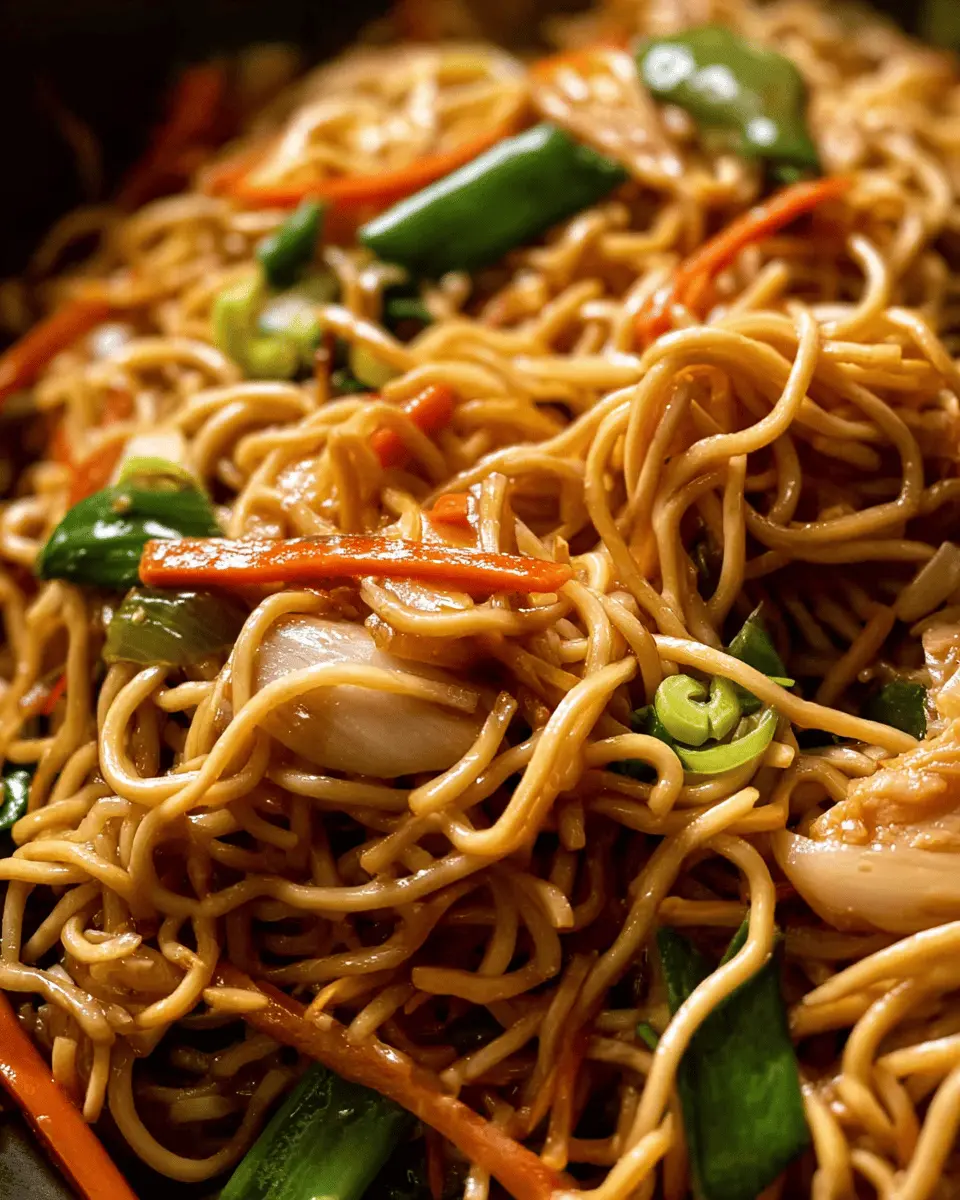
Variations on Chow Mein
Vegetarian Chow Mein Options
If you're looking to enjoy Chow Mein without meat, there are delightful vegetarian variations that are just as satisfying! Consider substituting the protein with firm tofu, seitan, or even tempeh for added texture. You can also pack it with extra veggies like bell peppers, snow peas, or mushrooms to elevate the flavor and crunch. A splash of soy sauce and a drizzle of sesame oil will enhance the taste. Check out this guide on vegetarian stir-frying for more inspiration!
Chow Mein with Different Proteins
Chow Mein is incredibly versatile when it comes to proteins. If chicken isn’t your thing, you can easily switch it out for sliced beef, turkey, or shrimp, making it perfect for any palate. Each option brings its unique flavor—tender beef pairs beautifully with the savory sauce, while shrimp offers a delightful sweetness. Don't forget to marinate your protein for about 10 minutes for maximum flavor, just like you would with chicken. For more tips on meat substitutes, check out this comprehensive resource. Enjoy experimenting and finding your favorite variant!
Cooking tips and notes for Chow Mein
Tips for perfecting the stir-fry
To achieve that restaurant-quality chow mein, ensure that your wok is sizzling hot before adding any ingredients. This helps to create those beautiful, smoky flavors. When you add the garlic, stir quickly to prevent burning. Make sure you keep everything moving—this is the secret to evenly cooked, crisp vegetables and perfectly tender chicken!
Ingredient substitutions and enhancements
Feel free to get creative with your ingredients! If you don’t have chow mein noodles, spaghetti or rice noodles can work in a pinch. For veggies, consider adding bell peppers, snap peas, or even broccoli to elevate your dish’s texture and taste. You can substitute chicken with beef, turkey, or shrimp for a different protein twist. Don’t forget—using fresh, seasonal ingredients can make your chow mein even more delicious. Check out this guide on seasonal vegetables for inspiration!
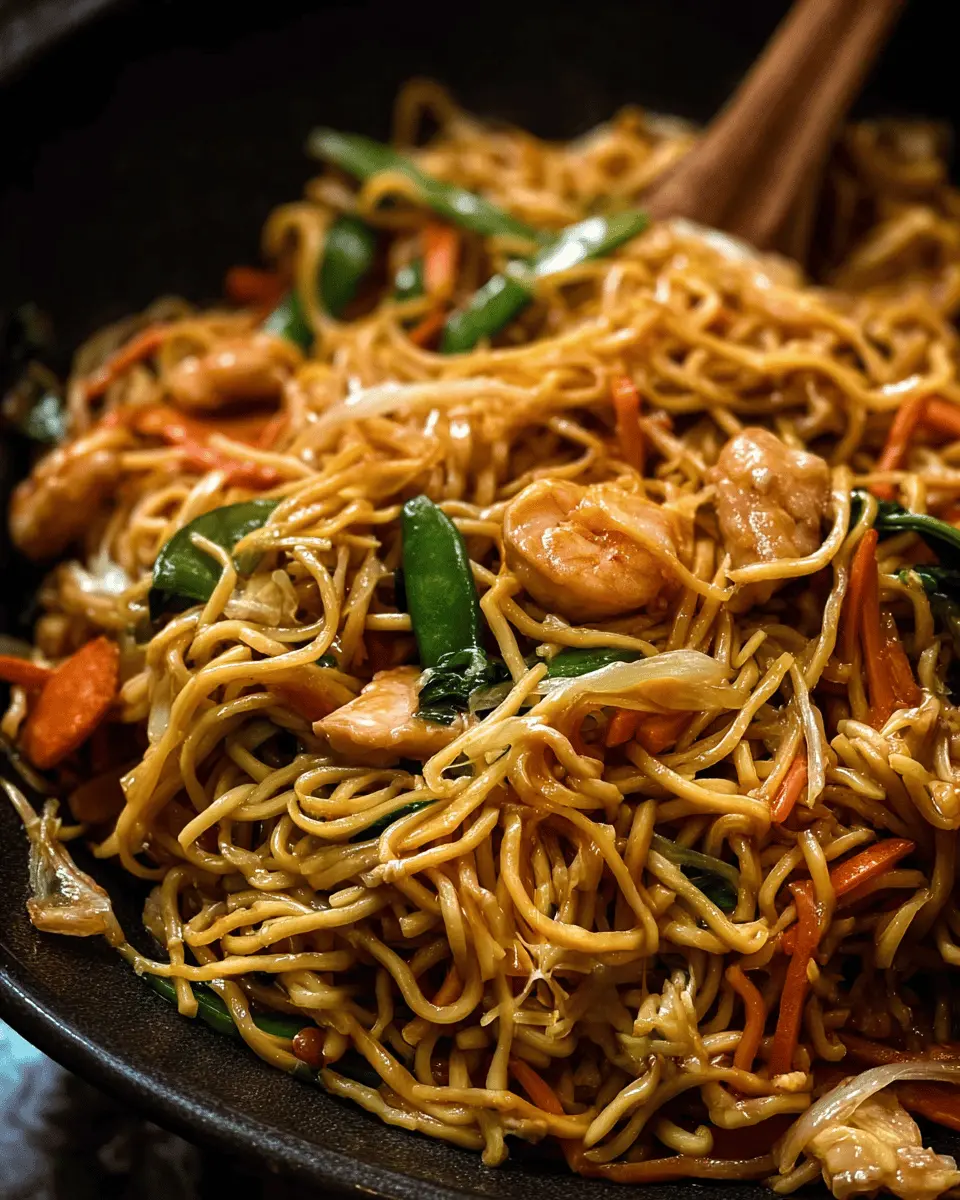
Serving suggestions for Chow Mein
Ideal Pairing with Sides
Chow Mein is a versatile dish that can be complemented beautifully with a variety of sides. Consider serving it alongside:
- Steamed dumplings or potstickers for a delightful textural contrast.
- A fresh cucumber salad dressed in sesame oil to balance out the rich flavors.
- Light miso soup for a comforting touch.
These additions can enhance your dining experience while keeping it light and satisfying.
Creative Serving Presentations
A visually appealing dish makes a meal feel special. For Chow Mein, try these presentation ideas:
- Serve on a colorful plate garnished with sliced green onions and sesame seeds for added flair.
- Create a layered effect by placing the noodles on the bottom and topping with the stir-fried veggies.
- For a unique touch, use bamboo steamers to serve individual portions, giving that authentic Asian eatery vibe.
Personal touches like these not only elevate the meal but also make it more engaging for you and your guests! For more serving inspirations, check out resources from Serious Eats or The Kitchn.
Time Breakdown for Chow Mein
Preparation time
Get things rolling with a quick prep time of around 15 minutes. This is when you’ll gather your ingredients and slice that chicken and cabbage to perfection!
Cooking time
Once you're all set, cooking the Chow Mein will take about 15 minutes. That’s just enough time to fill your kitchen with delicious aromas while tossing everything together.
Total time
In just 30 minutes, you’ll have a delightful plate of Chow Mein ready to serve! Perfect for a busy weeknight dinner or a gathering with friends. Enjoy this quick yet flavorful dish that you'll come back to time and again!
Nutritional Facts for Chow Mein
Understanding the nutritional profile of Chow Mein can help you enjoy this delicious dish while mindful of your health. Here’s a quick breakdown:
Calories
A serving of Chow Mein packs approximately 554 calories, making it a satisfying option for a main meal.
Protein Content
With about 28 grams of protein, this dish offers a hearty dose of essential nutrients, making it great for muscle maintenance and overall health.
Sodium Levels
Keep in mind that Chow Mein can be higher in sodium, with around 1,089 milligrams per serving. This is important for those monitoring their salt intake for heart health.
For more information on maintaining balanced nutrition, check out resources like the American Heart Association and Nutrition.gov. Enjoy your cooking!
FAQs about Chow Mein
How can I make Chow Mein healthier?
To give your Chow Mein a nutritional boost, consider using whole grain chow mein noodles or spiralized vegetables as a base. Incorporating a variety of colorful veggies like bell peppers and snap peas not only adds nutrients but also enhances the visual appeal. You can also reduce the oil used in cooking and opt for lean protein sources, such as chicken breast or tofu, to maintain a lighter dish without sacrificing flavor.
What is the best way to store leftover Chow Mein?
For optimal freshness, store leftover Chow Mein in an airtight container in the refrigerator. Make sure to cool it down to room temperature before sealing. It should be consumed within 3-4 days for the best quality. To reheat, simply pop it in the microwave or on a stovetop with a splash of water to revive its flavors.
Can I freeze Chow Mein?
Absolutely! Freezing Chow Mein is a great way to preserve it for later enjoyment. Place the cooled dish in a freezer-safe container or bag, ensuring all air is removed. It can last in the freezer for up to 1-2 months. When you’re ready to enjoy it, thaw overnight in the refrigerator and reheat thoroughly. For tips on freezing and reheating meals, consider checking out resources from the USDA.
Conclusion on Chow Mein
In summary, Chow Mein is a delightful dish that brings a burst of flavors and textures to your table. With its quick preparation and versatility, it’s perfect for busy weeknights or special occasions alike. Try out this recipe to elevate your home cooking experience and impress your friends and family. Happy cooking!
Chow Mein
Equipment
- Wok
- knife
- Chopping board
- Measuring cups
- Measuring spoons
Ingredients
Chicken and Vegetables
- 200 g chicken breast or thigh fillets thinly sliced
- 4 cups green cabbage finely shredded
- 1.5 tablespoon peanut oil or other cooking oil
- 2 cloves garlic finely chopped
- 200 g chow mein noodles
- 1 piece carrot julienned
- 1.5 cups bean sprouts
- 3 pieces green onions cut into 5cm/2" pieces
- 0.25 cup water
Chow Mein Sauce
- 2 teaspoon cornflour/cornstarch
- 1.5 tablespoon soy sauce all purpose or light
- 1.5 tablespoon oyster sauce sub Hoisin
- 1.5 tablespoon Chinese cooking wine or Mirin
- 2 teaspoon sugar reduce to 1 teaspoon if using Mirin
- 0.5 teaspoon sesame oil
- white pepper sub black
Instructions
Sauce
- Mix together cornflour and soy sauce, then mix in remaining ingredients.
- Alternative: Use ⅓ cup Chinese All Purpose Stir Fry Sauce, if you have some in stock.
Chicken & Noodles
- Pour 1 tablespoon of Sauce over the chicken, mix to coat, set aside to marinate for 10 minutes.
- Prepare the noodles according to the packet instructions, then drain.
Cooking
- Heat oil in wok or large fry pan over high heat.
- Add garlic and stir fry for 10 seconds or until it starts to turn golden – don’t let it burn!
- Add chicken and stir fry until the surface gets a tinge of browning but inside is still raw – about 1 minute.
- Add the cabbage, carrot, and the white pieces of shallots. Stir fry for 1 ½ minutes until the cabbage is mostly wilted.
- Add the noodles, Sauce and water. Stir fry for 1 minute, tossing constantly.
- Add bean sprouts and remaining shallots/scallions. Toss through for 30 seconds or until the bean sprouts just start to wilt.
- Remove from heat and serve immediately.



Leave a Reply