
Introduction to Artisan Bread Recipe
Baking homemade artisan bread is not just about the final product—the experience itself is incredibly satisfying. There’s something beautifully therapeutic about mixing flour, yeast, and water, then watching that dough transform into a beautifully crusty loaf as it bakes. The allure of artisan bread lies in its rustic charm and unique textures, which are often difficult to replicate with store-bought versions.
Have you ever walked into a bakery and inhaled the warm, comforting scent of freshly baked bread? Creating that moment in your own home feels like an achievement. Research suggests that engaging in cooking and baking can boost your mood and enhance your creativity. By following this artisan bread recipe, you're not just making bread; you're also reaping the well-documented benefits of baking as a form of self-care.
With simple ingredients and a little patience, even novice bakers can achieve stunning results. The beauty of this recipe lies in its versatility and the ability to add personal touches, such as herbs or cheese. So roll up your sleeves and let’s embark on this baking adventure together—your kitchen is about to smell amazing! For tips on baking and ingredient selection, check out King Arthur Baking.
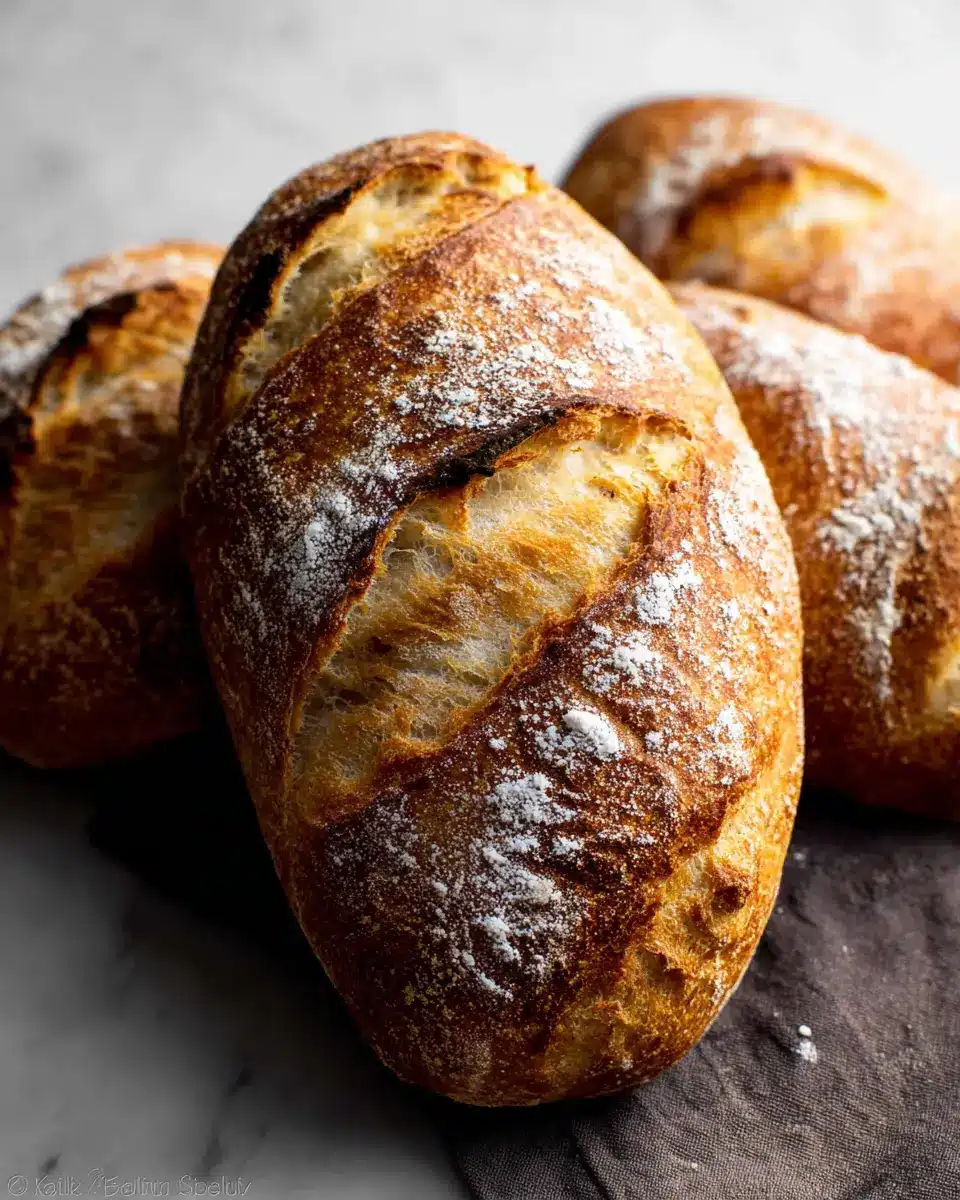
Ingredients for Artisan Bread
Key Ingredients Needed for Artisan Bread
Creating a beautiful artesian bread recipe starts with the right ingredients. Here’s what you'll need:
- Bread flour: 3 and ¼ cups (about 430g) is essential for that perfect chewy texture.
- Instant yeast: 2 teaspoons to help your dough rise without a fuss.
- Coarse salt: 2 teaspoons add flavor and control fermentation.
- Water: 1 and ½ cups (360ml) at about 70°F (21°C) ensures optimal yeast activity.
Each of these ingredients plays a vital role in achieving that crusty exterior and airy interior we all love in artisan bread.
Optional Ingredients for Flavor Enhancements
Looking to elevate your bread? Consider adding some of these optional ingredients:
- Fresh herbs: Like rosemary or thyme for a fragrant twist.
- Garlic: 4 cloves minced for an aromatic addition.
- Shredded cheese: 1 cup of your favorite cheese for a savory depth.
- Dried fruits or nuts: Think cranberries or walnuts for a delightful crunch and sweetness.
These enhancements can turn your standard artisan bread recipe into something uniquely yours. Feel free to mix and match based on your taste!
Preparing Artisan Bread
Making artisan bread is a rewarding experience that whisks you away from the ordinary into the realm of fresh-baked goodness. Let’s dive into the process step-by-step, ensuring you know just how to create that perfect loaf right in your own kitchen.
Mixing the Dough
Start by gathering your ingredients. In a large, ungreased mixing bowl, whisk together bread flour, instant yeast, and coarse salt. This blend is key for achieving a crusty exterior and a flavorful interior. Next, pour in the room temperature water—ideally, around 70°F (21°C). Gently mix with a silicone spatula or wooden spoon until all the flour is incorporated. Sometimes the dough will be dry and shaggy, so if you need to, don’t hesitate to use your hands to bring it all together.
First Rise – Letting the Dough Double in Size
Cover your dough-tight with plastic wrap or foil and let it sit at room temperature for about 2-3 hours, or until it doubles in size. You’ll notice air bubbles forming, which is all part of the magic! Want more tips on dough rising? Check out this guide on Baking with Yeast.
Refrigeration for Developed Flavor
If you have patience and time, you’ll want to place your dough in the refrigerator for 12 hours up to 3 days. This resting period allows flavors to develop, enhancing the overall taste of your final artisan bread recipe. The dough may puff up in the fridge; that's perfectly normal!
Shaping the Dough into Loaves
When you’re ready to shape, lightly dust a large nonstick baking sheet with flour or cornmeal. Turn your cold dough out onto a floured surface and cut it in half. When shaping into two long loaves, don’t stress about precision—just aim for a length of about 9 inches. Place them on the prepared baking sheet and loosely cover while they rest for about 45 minutes.
Preheating the Oven and Final Preparations
During that rest, go ahead and preheat your oven to 475°F (246°C). This high temperature is crucial for achieving that crispy crust we all love.
Scoring the Bread Before Baking
Before sliding your loaves into the oven, it’s time to score them! Use a very sharp knife or a bread lame to make three slashes on top of each loaf, about ½ inch deep. This step isn’t just decorative; it allows the bread to expand properly while baking.
Baking the Bread to Perfection
Finally, place your prepared baking sheet in the oven. Bake for 20-25 minutes until the crust is golden brown and sounds hollow when tapped. For precise doneness, an instant read thermometer should read around 195°F (90°C) in the center of the loaf. After baking, resist the urge to slice into it immediately—let it cool for at least 20 minutes to enhance the texture.
Once cooled, your artisan bread is ready to be enjoyed! From delicious sandwiches to an extraordinary cheese platter, the possibilities are endless. Happy baking!
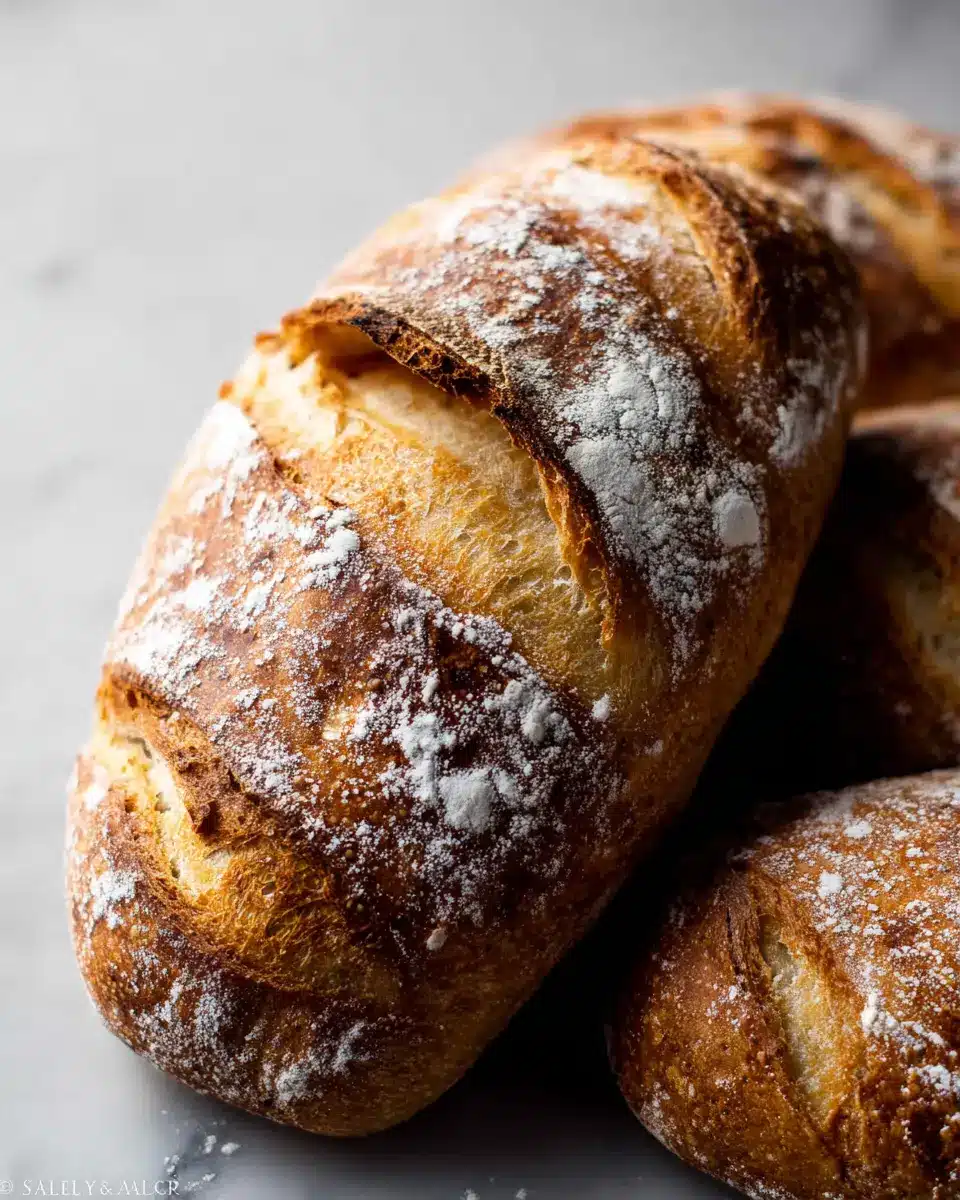
Variations on Artisan Bread
Adding herbs or spices for a unique flavor
Elevate your artisan bread recipe by infusing it with herbs or spices that resonate with your culinary preferences. For instance, try mixing in fresh rosemary, thyme, or even a pinch of cayenne pepper for a subtle kick. Personalizing flavors not only enhances the aroma but also gives your bread a delightful twist, perfect for pairing with soups or as a standalone snack.
Incorporating cheese or nuts into the dough
Want to add a new dimension to your bread? Consider folding in a variety of shredded cheeses like cheddar or Parmesan, or even including nuts such as walnuts or pecans. These ingredients introduce rich textures and flavors that take your artisan bread to a whole new level. Imagine enjoying a warm slice with a drizzle of olive oil—it’s simply irresistible!
Cooking Tips and Notes for Artisan Bread
Common Mistakes to Avoid
Making artisan bread can sometimes be tricky! A few common pitfalls include using the wrong flour—opt for bread flour for the best texture. Don’t rush the rising time; allowing the dough to develop flavor in the fridge truly makes a difference. Also, avoid overworking the dough, as that can impact the airy crumb you’re aiming for.
Essential Tools for the Best Results
To achieve amazing results with your artisan bread recipe, equip yourself with essential tools. You’ll need a reliable mixing bowl and either a silicone spatula or a wooden spoon for mixing. A sharp knife or bread lame for scoring the dough is crucial, as is an instant-read thermometer to check doneness. These items can help elevate your bread-making experience!
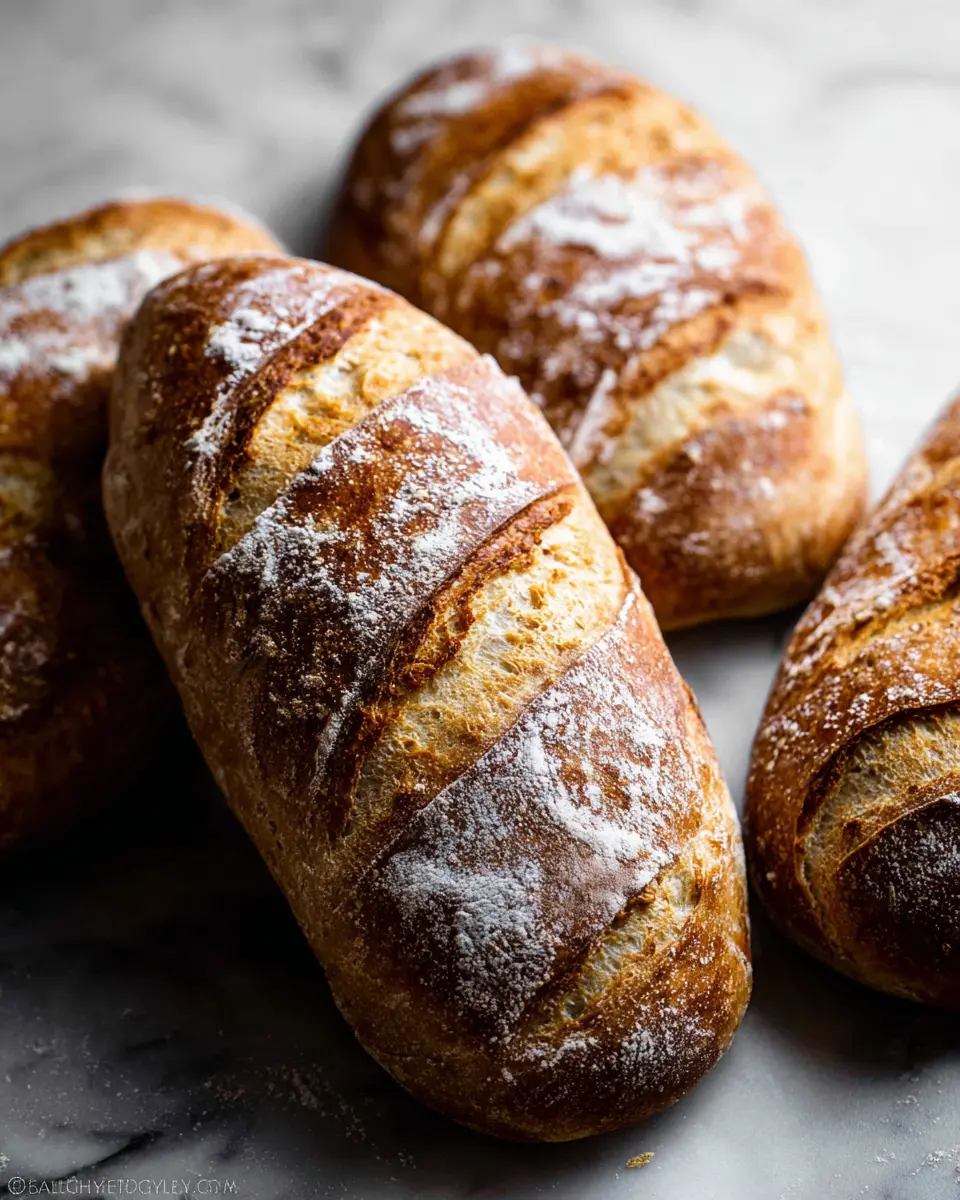
Serving suggestions for Artisan Bread
Pairing artisan bread with spreads or dips
Artisan bread is a versatile delight that pairs beautifully with a variety of spreads and dips. Try slathering it with:
- Creamy avocado mixed with lime juice and sea salt for a fresh twist.
- Hummus topped with a sprinkle of paprika and a drizzle of olive oil.
- A rich olive tapenade for a Mediterranean flair.
- Roasted garlic butter for a comforting, savory touch.
Each of these options enhances the unique flavors of your artisan bread recipe, making it a perfect companion for any meal or gathering.
Creative ways to use leftover bread
Don’t let any crumbs go to waste! Leftover artisan bread can be transformed into:
- Croutons: Simply cube the bread, toss with olive oil, herbs, and bake until golden.
- Bread pudding: Ideal for dessert! Combine with eggs, milk, and your favorite spices.
- Bruschetta: Top slices with fresh tomatoes, basil, and balsamic vinegar for a snack.
These creative uses not only reduce waste but also add fun and flavor to your meals. How do you like to use leftover bread? Share your favorite ideas!
Time Breakdown for Artisan Bread
Preparation Time
This artisan bread recipe takes about 15 minutes to prepare the dough. You'll be thrilled to find how simple it is to mix the ingredients and set up for the rise.
Rising Time
Allow 2-3 hours for the first rise at room temperature, or for the best flavor, you can refrigerate the dough for 12 hours to 3 days. Patience truly pays off!
Baking Time
When ready to bake, preheat your oven and enjoy a 20-25 minute baking time. You'll know it's done when the crust is golden brown and sounds hollow when tapped.
For a delightful experience, check out more tips on mastering your artisan bread in our Artisan Bread Recipe article!
Nutritional Facts for Artisan Bread
Calories per serving
A serving of this delightful artisan bread recipe, which is approximately two slices, clocks in at 136 calories. This makes it a satisfying yet light choice for sandwiches or as a side with your favorite soup.
Key nutrients in artisan bread
Aside from its delightful taste and texture, artisan bread is packed with some essential nutrients. Key nutrients per serving include:
- Carbohydrates: 27.2 g, providing energy for your day.
- Protein: 4.7 g, important for muscle health and recovery.
- Fat: 0.7 g, a minimal amount that keeps it light.
- Sodium: 389.8 mg, important for maintaining fluid balance, although be cautious if you're monitoring salt intake.
- Sugar: 0.1 g, keeping your sugar levels in check.
This bread can fit into most diets when enjoyed in moderation. For more in-depth details about the nutritional content of bread and the benefits of whole grain options, you can explore resources at Healthline or Mayo Clinic.
Enjoy your homemade artisan bread as part of a balanced diet, enhancing meals and wellness alike!
FAQs about Artisan Bread
How can I ensure my bread rises well?
A great rise starts with the right temperature. Ensure your water is around 70°F (21°C) to kick off yeast activity. Also, give your dough ample time to rise—2-3 hours at room temperature or longer in the fridge for improved flavor! It’s all about patience: a slow rise equals a spectacular texture in your artisan bread recipe.
What should I do if my dough is too sticky?
Sticky dough is common with artisan breads, but if it feels unmanageable, sprinkle in a bit more flour while mixing or dust your hands to help shape it. A light touch is key; you want the dough to be slightly sticky but workable. Remember, it will develop a beautiful crust when baked!
Can I freeze artisan bread for later use?
Absolutely! You can freeze both the dough and the baked bread. For dough, wrap it tightly and place it in a freezer-safe container. For baked bread, let it cool completely, then store in a freezer bag. Thaw it overnight in the fridge or at room temperature—perfect for when you crave fresh bread later on!
Conclusion on Artisan Bread Recipe
Creating your own artisan bread at home is rewarding and simple! With just a few ingredients and some patience, you can enjoy the rich flavors and delightful textures of freshly baked bread. Experiment with variations to make this artisan bread recipe truly your own. Happy baking!
Artisan Bread Recipe
Equipment
- mixing bowl
- Silicone Spatula
- Baking Sheet
- Sharp knife
- oven
- Instant-Read Thermometer
Ingredients
- 3.25 cups bread flour (spooned & leveled)
- 2 teaspoons instant yeast
- 2 teaspoons coarse salt
- 1.5 cups water close to room temperature (about 70°F)
- cornmeal for dusting pan
Instructions
- In a large mixing bowl, whisk the flour, yeast, and salt together. Pour in the water and gently mix together with a spatula or wooden spoon until all flour is moistened. Shape into a ball as best you can.
- Cover the dough with plastic wrap or aluminum foil and let rise at room temperature for 2-3 hours until double in size.
- For best flavor and texture, refrigerate the dough for at least 12 hours, up to 3 days.
- Dust a baking sheet with flour and/or cornmeal. Turn out the cold dough onto a floured surface, cut in half, shape into loaves, and let rest for 45 minutes.
- Preheat the oven to 475°F (246°C) during the resting time.
- Score the bread loaves with 3 slashes about ½ inch deep before baking.
- For a crispier crust, place a metal baking pan on the bottom rack with boiling water before placing the scored dough in the oven.
- Bake in the preheated oven for 20-25 minutes until golden brown.
- Cool for at least 20 minutes before slicing and serving.



Leave a Reply