
Introduction to Greek Meatballs
When it comes to elevating your homemade meals, Greek meatballs are a game changer. Bursting with flavor from fresh herbs like parsley and mint, these tiny morsels are not just satisfying but also versatile. Whether served as part of a mezze platter with warm pita and tzatziki or as a hearty main course, they bring a taste of the Mediterranean right to your kitchen.
What makes these meatballs stand out? It’s all about the blend of ingredients and spices. By combining beef and pork (or lamb, if you prefer), you create a deliciously juicy texture that pairs perfectly with a side of Greek salad. Plus, experiment with spices like oregano and the aromatic touch of garlic for a unique twist. According to a Bon Appétit article, using fresh herbs can enhance the flavor profiles of your dishes significantly, making the meal more enjoyable.
Not only are they a surefire hit with guests, but they also make for excellent leftovers. Freeze them for an easy meal option later, ensuring you're always ready for a quick and delicious dinner. So, if you're seeking a recipe that elevates your weeknight dining, these Greek meatballs are the ticket!
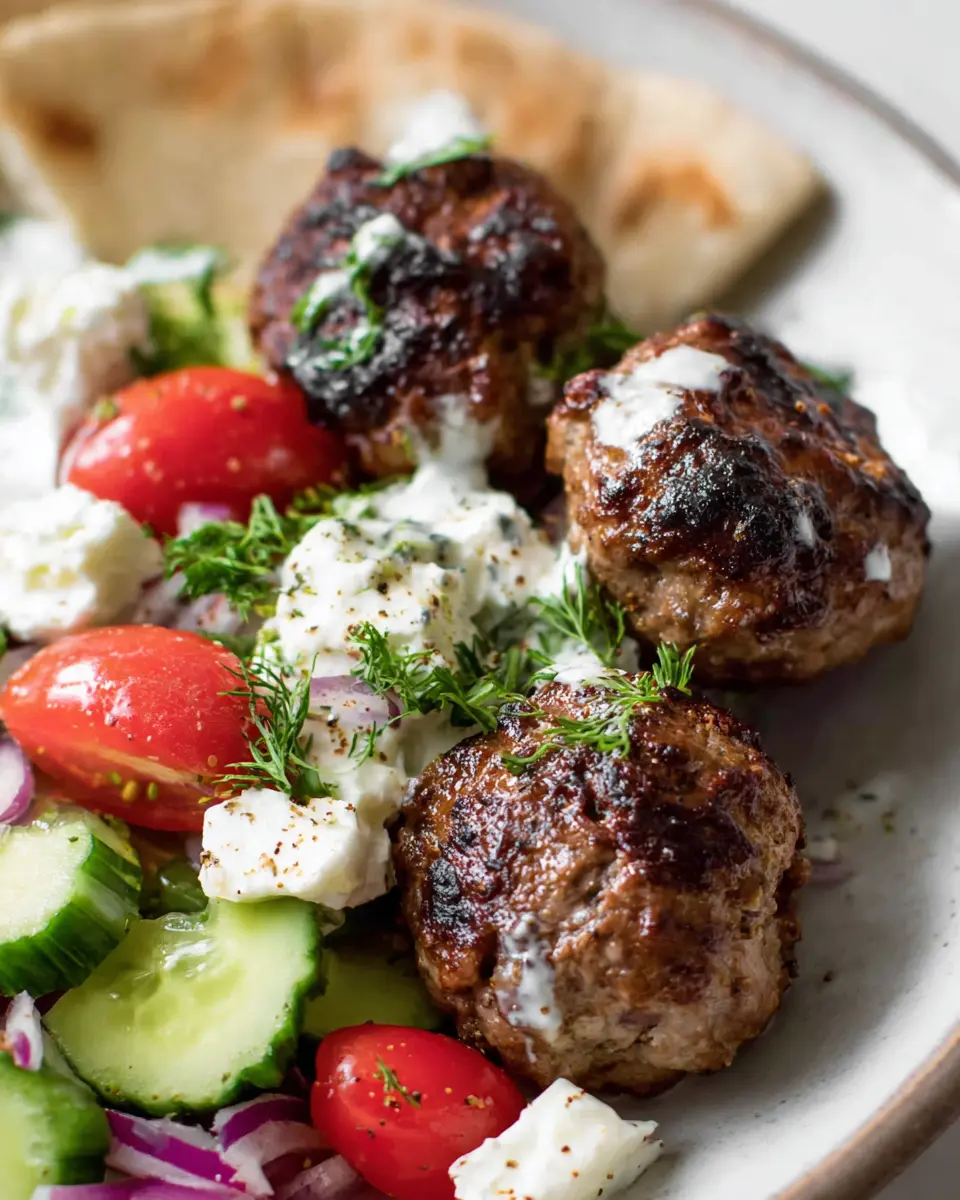
Ingredients for Greek Meatballs
Essential Ingredients for Juicy Meatballs
Creating mouthwatering Greek meatballs starts with the right foundation. Here’s what you’ll need:
- Beef and Pork Mince: A mix of ground beef and pork gives a delicious flavor and texture.
- Grated Red Onion: This adds moisture and sweetness, enhancing the overall taste.
- Garlic: Freshly minced garlic is key for that undeniable aromatic punch.
- Breadcrumbs: Panko breadcrumbs help keep the meatballs tender and juicy.
- Egg: Acts as a binding agent, ensuring your meatballs hold their shape while cooking.
- Fresh Herbs: Don’t skip on parsley and mint – they are essential for a refreshing Mediterranean flavor.
These ingredients come together to create a truly delightful meal.
Optional Ingredients for Enhanced Flavor
To take your Greek meatballs to the next level, consider adding:
- Dried Oregano: A sprinkle can elevate your meatballs with an earthy, Mediterranean flair.
- Extra Virgin Olive Oil: A touch in the mixture bolsters juiciness and richness.
- Seasoned Salt and Pepper: Always essential for enhancing the depth of flavor.
Using fresh herbs and spices not only boosts the aroma but also adds an authentic touch. Explore more about Greek cuisine here. Happy cooking!
Preparing Greek Meatballs
Creating delicious and authentic Greek meatballs at home is a delightful culinary adventure! This guide will take you step-by-step through the process, ensuring that your meatballs are juicy, flavorful, and perfect for any occasion.
Gather and Prepare Your Ingredients
Before getting your hands into the mix, it’s important to assemble all your ingredients. Here’s what you’ll need:
- 1 red onion, grated
- 500g (1 lb) beef mince (you can also use lamb)
- 200g (6.5oz) pork mince (or trade it for more beef)
- 2 minced garlic cloves
- 1 cup (60g) panko breadcrumbs
- 1 egg
- ¼ cup fresh parsley, finely chopped
- 6 large finely chopped mint leaves
- ½ teaspoon dried oregano
- 1 tablespoon extra virgin olive oil
- ¾ teaspoon salt
- Black pepper
Make sure you have a large bowl for mixing, and don’t forget to grab some flour for later! If you like to prep ahead, consider grating the onion and chopping the herbs in advance. This little step can save you time and make cooking more enjoyable.
Mix the Meatball Mixture
In your large bowl, start by grating the onion directly into the bowl. This ensures that the onion juices mix well with the meat, enhancing flavor and moisture. Add in the remaining ingredients. Use your hands to combine everything thoroughly for a few minutes until it’s smooth and well-blended. If you have the time, let the mixture sit in the refrigerator for about an hour; this not only makes it easier to roll but also helps maintain that perfect round shape during cooking.
Form the Meatballs
Now for the fun part: forming the Greek meatballs! Scoop out heaped tablespoons of the mixture and place them onto a clean work surface or tray. Aim for about 32 to 35 meatballs. Once they’re all portioned out, roll them between your palms to form neat balls. It’s a bit of a messy job, but that’s part of the charm, isn't it?
Cooking Options – Pan-Frying vs. Baking
You have two delicious options when it comes to cooking your Greek meatballs: pan-frying or baking. For a traditional approach, pan-frying gives the meatballs a crispy, golden exterior while keeping them juicy inside. Heat olive oil in a large skillet over medium-high heat and add the meatballs, cooking them in batches.
Alternatively, if you prefer a healthier method, try baking them! Simply spray with oil and bake at 180°C (350°F) for about 20 minutes until browned. Both methods yield fantastic results, so choose based on your preference!
Cooking Time and Techniques
Regardless of your cooking method, it's crucial to monitor timing to achieve the best flavor and texture. For pan-frying, allow about 5 to 6 minutes per batch, rolling them around for even browning. When baking, 20 minutes will yield those perfectly cooked meatballs.
No matter how you choose to cook them, serve your meatballs warm, perhaps alongside tzatziki and a Greek salad for a complete meal. Remember, these Greek meatballs freeze beautifully too, making them an excellent option for meal prep or last-minute dinners. Enjoy your delicious homemade treat!
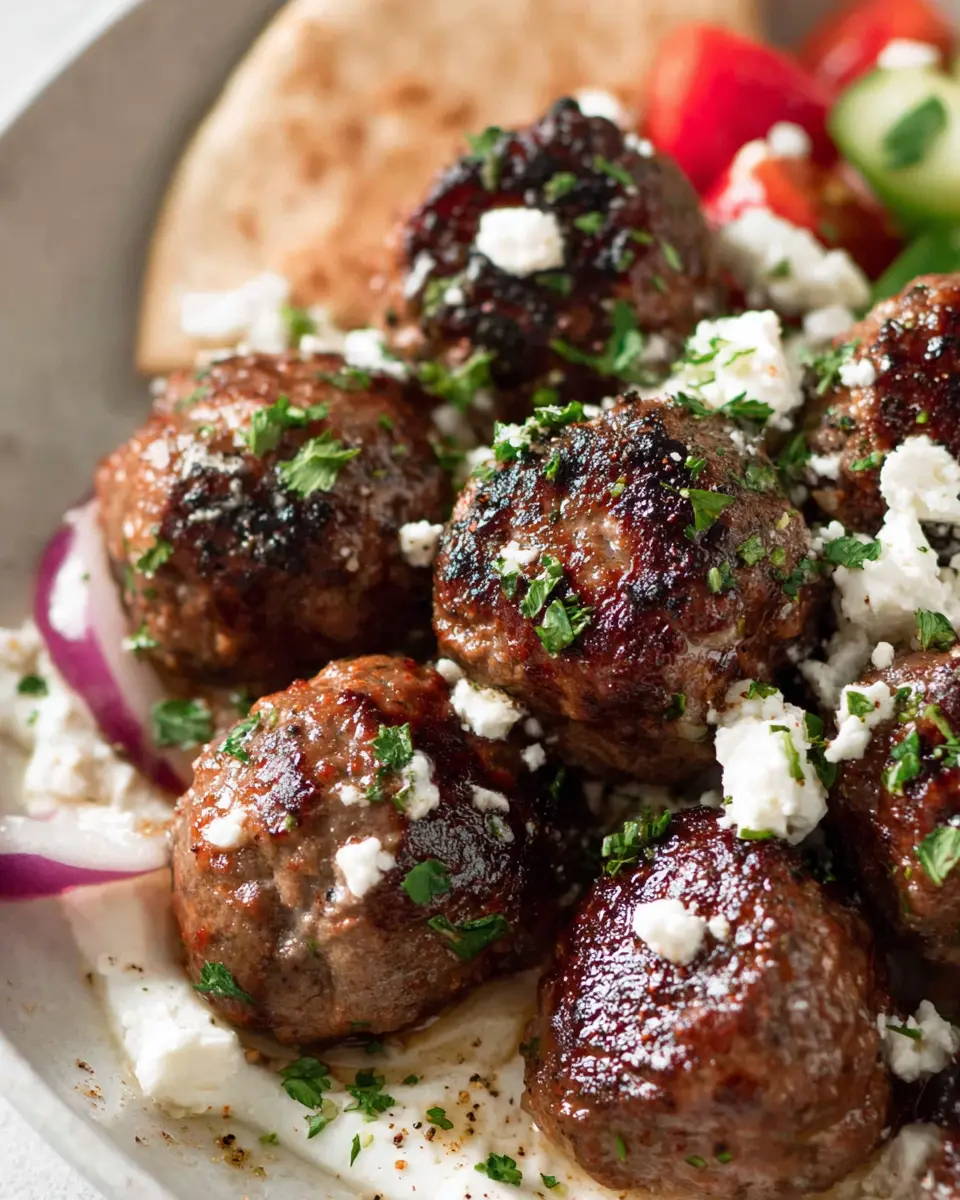
Variations on Greek Meatballs
Mediterranean-Inspired Meatball Variations
While the classic Greek meatballs recipe is undeniably delicious, feel free to explore Mediterranean flavors by experimenting with different herbs and spices. For instance, incorporate sun-dried tomatoes, feta cheese, or even a hint of cumin for a unique twist. You could also try swapping out the beef for lean turkey or chicken to lighten the dish. Serve with a side of roasted vegetables or a refreshing Greek salad for a well-rounded meal.
Vegetarian or Vegan Adaptations
For those seeking plant-based alternatives, consider making Greek meatballs with lentils, chickpeas, or even cauliflower. Mashed beans mixed with breadcrumbs and spices create a satisfying texture. Incorporating ingredients like grated zucchini or diced bell peppers will add moisture and flavor. For a vegan tzatziki, replace yogurt with coconut or almond yogurt, mixing in cucumber, garlic, and dill for a refreshing dip.
By trying these variations, you can enjoy Greek meatballs in new and exciting ways! If you're looking for more ideas, check out this Greek cuisine resource for inspiration.
Cooking Tips and Notes for Greek Meatballs
Tips for Achieving Perfect Texture
To create mouthwatering Greek meatballs, focus on a few key aspects. Start by mixing the ingredients gently; overworking the meat can lead to a dense texture. Incorporating breadcrumbs helps absorb moisture, ensuring each bite is tender and juicy. If time allows, refrigerating the mixture for about an hour before shaping allows the flavors to meld and helps maintain the meatballs' shape during cooking.
Storage Tips for Leftovers and Meal Prep
Store leftover Greek meatballs in an airtight container in the fridge for up to three days. For longer storage, freeze them on a baking sheet, then transfer to a freezer bag—this precludes freezer burn and preserves their juicy goodness. When you're ready to enjoy them, simply reheat on low heat in the oven or skillet until warmed through. They’re perfect for quick meals and great to toss in wraps or salads! Consider checking out this guide" for best freezing practices.
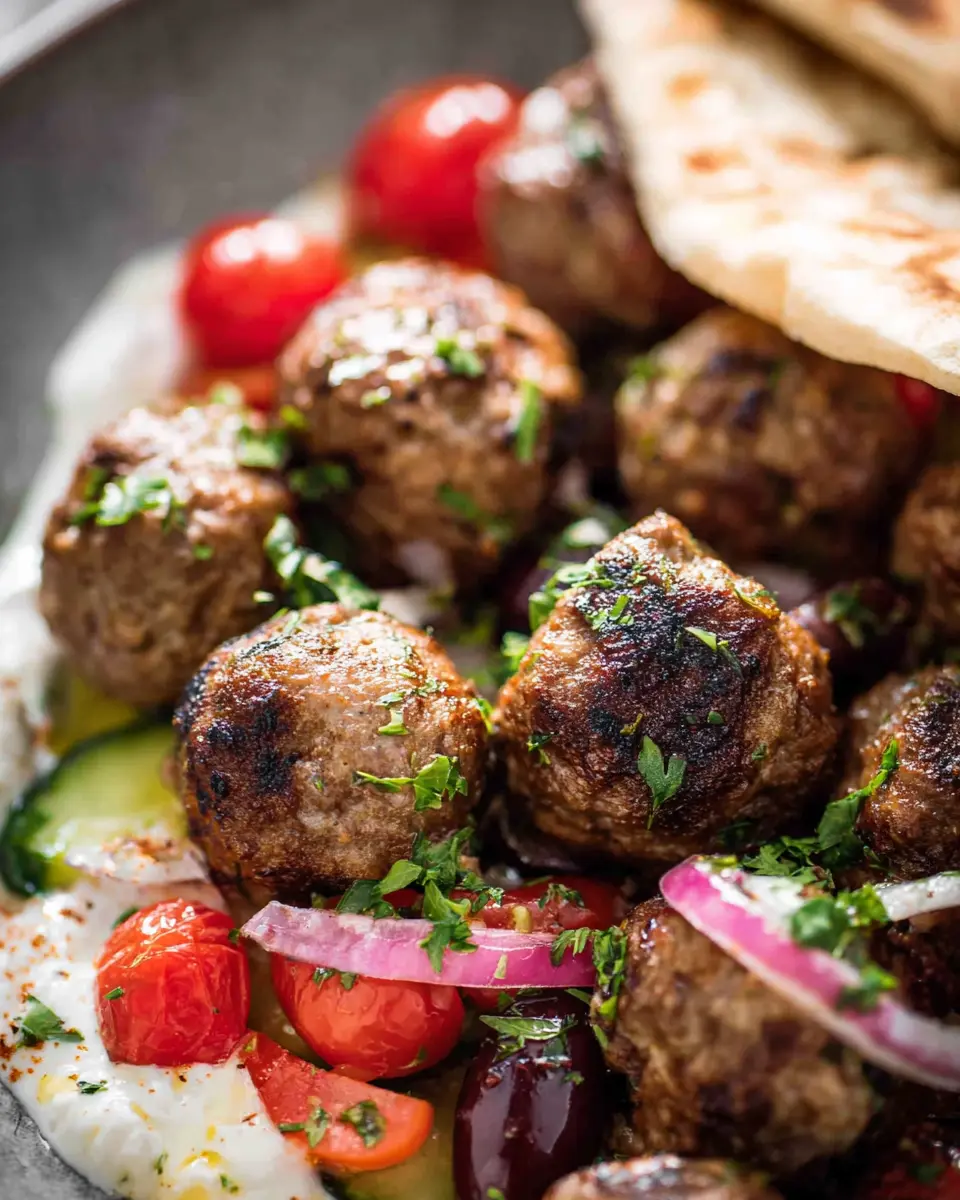
Serving Suggestions for Greek Meatballs
Creative Serving Ideas for Appetizers and Meals
When it comes to enjoying Greek meatballs, the options are endless! Serve them as a sumptuous starter on a mezze platter, paired with warm pita bread and creamy tzatziki. Alternatively, they shine on dinner plates alongside a vibrant Greek salad filled with fresh vegetables and feta cheese. For a twist, try stuffing them into flatbreads for a delightful wrap that’s perfect for picnics or quick lunches.
Pairing Ideas with Sides and Dips
Elevate your Greek meatballs game by pairing them with a variety of sides and dips. Consider serving them with:
- Lemon rice pilaf for a zesty kick.
- Roasted vegetables drizzled with olive oil for added flavor.
- A tangy cucumber and yogurt salad that complements the meatballs beautifully.
Don’t forget to experiment with different dips—baba ghanoush or a slice of feta drizzled in olive oil will take your meal to the next level! For more side ideas, check out this Greek food guide. Expand your culinary horizons and enjoy these delectable bites!
Time Breakdown for Greek Meatballs
Preparation Time
Get ready for deliciousness! You'll need about 15-20 minutes to prep your ingredients and mix the Greek meatball mixture. If you have some time, refrigerating the mixture for an hour can make rolling the meatballs even easier.
Cooking Time
Cooking these mouthwatering meatballs takes around 15-20 minutes, depending on your preferred method—pan-frying or baking. If you're short on time, pan-frying might be your best bet to achieve that perfect golden crust.
Total Time
From start to finish, expect to spend about 30-40 minutes making these delightful Greek meatballs. It’s a quick and rewarding endeavor, perfect for a busy weeknight or a relaxed weekend meal.
By taking just a bit of time, you’ll end up with a dish that’s bursting with flavor and perfect for sharing! For tips on how to serve them, don’t miss out on my favorite serving suggestions! Consider pairing your meatballs with some homemade tzatziki sauce for an authentic Greek experience!
Nutritional Facts for Greek Meatballs
Calories per Serving
Each serving of these delicious Greek meatballs contains approximately 513 calories. This calorie count assumes a balance of flavors and textures, ensuring it’s a satisfying meal option.
Macronutrient Breakdown
These Greek meatballs provide a hearty macronutrient profile, featuring:
- Protein: 34g
- Fat: 36g
- Carbohydrates: 18g
This balance makes them a great choice for a fulfilling meal, especially when paired with fresh veggies or a light salad! For healthier alternatives, consider using leaner meats or reducing the amount of oil used in preparation.
Want to dive deeper into the nutritional benefits of the ingredients? Check out Healthline for more insights!
FAQs about Greek Meatballs
Can I use different types of meat?
Absolutely! While traditional Greek meatballs often feature beef or lamb, you can easily experiment with various meats. Ground chicken or turkey can be great alternatives if you’re watching your red meat intake. Just keep in mind that different meats might alter the flavor and texture slightly, so adjust your seasonings accordingly.
How do I know when the meatballs are fully cooked?
The best way to check if your Greek meatballs are fully cooked is by using a meat thermometer. They should reach an internal temperature of 75°C (165°F). If you don’t have one, look for a rich brown color on the outside and ensure the juices run clear when you cut one open. Remember, they should also feel firm to the touch.
What can I serve instead of tzatziki?
If tzatziki isn’t your thing, don’t worry! You can serve your Greek meatballs with various alternatives like plain Greek yogurt; just add a splash of lemon juice, olive oil, and a pinch of salt for flavor. Hummus or a simple avocado dip are fabulous options as well—both enhance the dish while keeping with a Mediterranean vibe. Check out this hummus recipe for a delicious pairing!
Conclusion on Greek Meatballs
Embracing Homemade Cooking with Greek Meatballs
Creating your own Greek meatballs at home opens up a world of flavor and satisfaction. These juicy delights are perfect for family meals or casual gatherings. With the easy-to-follow recipe shared above, you're well on your way to serving deliciousness that will impress everyone at your table. Enjoy cooking!
Greek Meatballs
Equipment
- large bowl
- Skillet
- Measuring cups
- Measuring spoons
Ingredients
Meatballs
- 1 red onion, grated
- 500 g beef mince or lamb
- 200 g pork mince or more beef
- 2 garlic cloves, minced
- 1 cup panko breadcrumbs or normal
- 1 egg
- 0.25 cup fresh parsley, finely chopped
- 6 large mint leaves, finely chopped spearmint if you can, it’s authentic
- 0.5 teaspoon dried oregano
- 1 tablespoon extra virgin olive oil
- 0.75 teaspoon salt
- Black pepper
Cooking / Serving
- 0.5 cup flour any white
- 3 tablespoon olive oil
- Finely chopped parsley optional, for garnish
- Tzatziki or Greek yoghurt
Instructions
Instructions
- Grate the onion straight into a large bowl, then add remaining Meatball ingredients. Use your hands to mix well for a few minutes until the mixture is quite smooth and very well combined.
- Optional: Refrigerate for 1 hour – makes them easier to roll + retains round shape when cooking.
- Measure out heaped tablespoons and dollop onto a work surface – should make around 32 – 35. Then roll into balls.
- Heat most of the oil in a large skillet over medium high heat (medium if you have a strong gas stove). Use enough oil to cover the surface of the skillet.
- Cook in 2 to 3 batches: Dredge meatballs lightly in flour, shaking off excess, then place in the skillet. Roll them around and cook for 5 – 6 minutes, until nicely browned all over. Remove onto plate, cover to keep warm and repeat with remaining meatballs.
- BAKING: Alternatively, spray generously with oil (preferably olive oil) then bake at 180C/350F for 20 minutes or until browned. The pan frying method is the traditional way and the meatballs are slightly juicier.
- Serve as a starter as part of a mezze platter with pita bread and tzatziki, or make dinner plates by adding a salad like a Greek Salad!




Leave a Reply