
Introduction to Hibachi Zucchini
Why Hibachi Zucchini is a Game-Changer for Homemade Meals
If you're looking to elevate your home cooking, Hibachi Zucchini is your ticket to a delightful culinary experience. This vibrant dish not only brings a burst of color to your plate but also infuses fresh flavors into your meals. With simple ingredients and quick cooking times, it's a practical option for busy young professionals who crave restaurant-quality meals at home.
One of the best aspects of Hibachi Zucchini is its versatility. You can easily incorporate it into various weeknight dinners, from stir-fries to wraps. Imagine serving this lightly charred zucchini alongside grilled chicken or beef, enhancing the overall flavor profile of your meal. Plus, it’s packed with essential nutrients! Did you know that zucchini is rich in vitamins A and C, along with fiber? It's a great choice for anyone looking to balance health with flavor.
Moreover, the quick sauté method used in this recipe provides the perfect texture—slightly crispy on the outside while remaining tender inside. So, whether you’re putting together a quick dinner or prepping for weekend entertaining, Hibachi Zucchini is a delightful addition that will impress your friends and transform your homemade meals into something extraordinary.
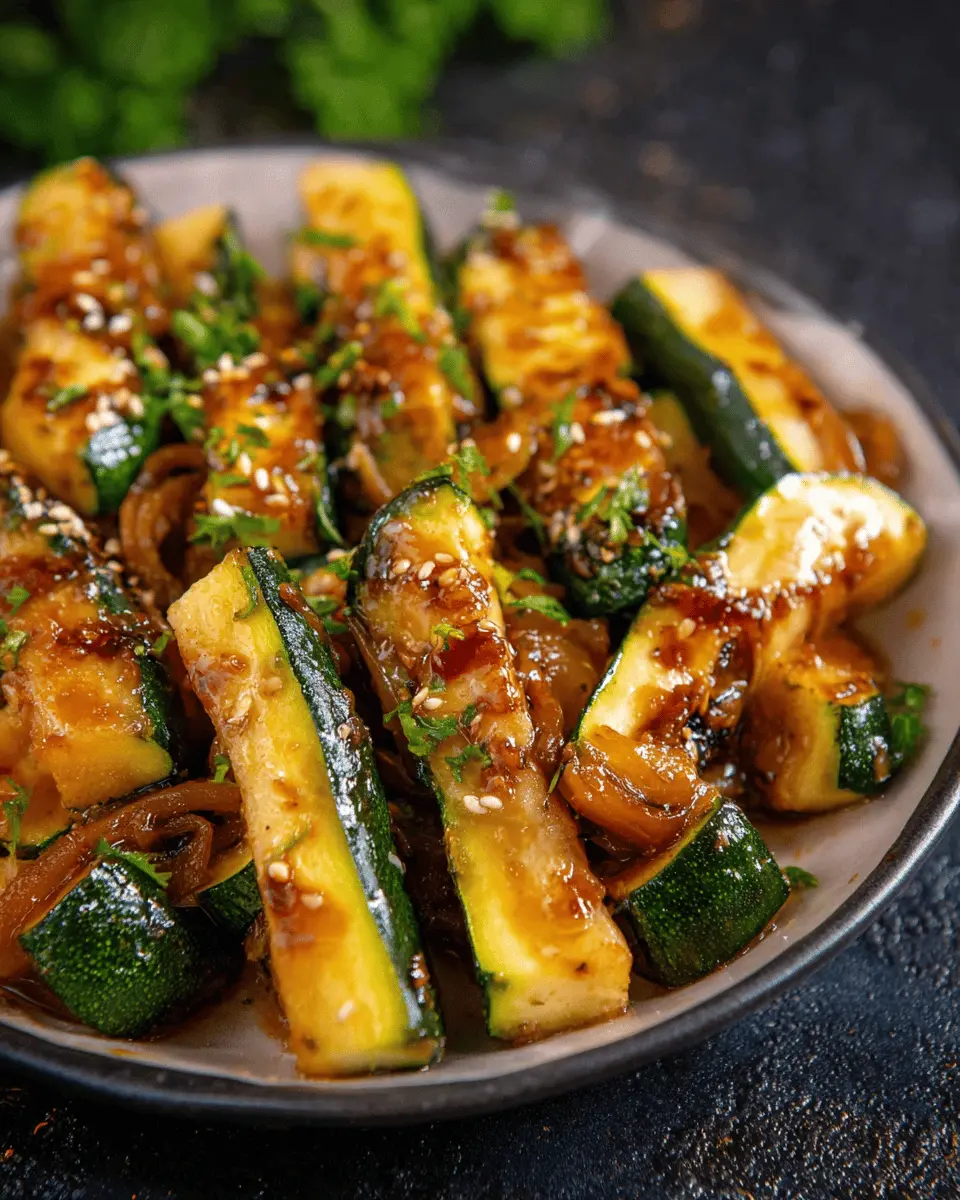
Ingredients for Hibachi Zucchini
Creating the perfect Hibachi Zucchini is all about selecting fresh, high-quality ingredients. This vibrant dish is not just delicious but also a healthy choice for any meal. Here’s what you’ll need to whip up this crowd-pleaser:
- 2 large zucchini (green or yellow): Choose firm zucchinis for the best texture.
- 1 tablespoon oil: A neutral oil like canola or grapeseed works beautifully.
- 2 tablespoons butter: Use salted or unsalted butter for richness; if you prefer a vegan option, stick to extra oil.
- 1 teaspoon minced ginger: Fresh ginger adds a warm heat and depth.
- 1 teaspoon minced garlic: For that classic aromatic flavor.
- 1 cup sliced onions: Sweet onions can enhance the recipe’s flavor profile.
- 2 teaspoons soy sauce: For umami; swap it out for tamari if you're looking for a gluten-free option.
- ¼ teaspoon salt: Adjust to taste.
- ¼ teaspoon black pepper powder: Adds a hint of spice.
- Chopped scallion greens and toasted white sesame seeds: Perfect garnishes that elevate your presentation.
Once you have these ingredients gathered, you’re just steps away from creating a delicious Hibachi Zucchini perfect for any occasion! For more tips on veggie-based dishes, check out this helpful resource. Happy cooking!
Step-by-Step Preparation of Hibachi Zucchini
Preparing Hibachi Zucchini is a simple yet rewarding experience, allowing you to indulge in vibrant flavors and textures. Let’s dive right into the step-by-step process, ensuring your dish is both delicious and perfectly cooked.
Gather Your Ingredients and Tools
Before you kick off your cooking adventure, it’s essential to gather everything you need. Here’s a quick checklist for your Hibachi Zucchini:
- 2 large zucchini (green or yellow)
- 1 tablespoon oil
- 2 tablespoons butter (use oil for a vegan option)
- Minced ginger and garlic (1 teaspoon each)
- 1 cup sliced onions
- 2 teaspoons soy sauce (tamari if gluten-free)
- A sprinkle of salt and black pepper
- Finally, some chopped scallions and toasted white sesame seeds for garnish
While you're at it, have a large wok or skillet ready—this will help achieve that signature hibachi-style sear!
Preparing the Zucchini
To set the stage for your Hibachi Zucchini, start by rinsing the zucchini under cool water, gently wiping them down with a kitchen cloth. Next, trim off about half an inch from both ends. Slice the zucchini into 2-inch long batons (akin to thick matchsticks about 8 mm in size)—this not only makes for an appealing presentation but also ensures even cooking. Remember, there’s no need to peel them; the skin adds a nutritious crunch!
Sautéing the Aromatics
Now, heat up the oil and butter in your wok over medium-high heat. Once it’s shimmering, toss in the minced ginger and garlic, allowing them to sauté for about 4-5 seconds until fragrant. This quick process infuses your oil with a delightful aroma—perfect for that hibachi feel!
Cooking the Zucchini and Onions
Next, add in the zucchini batons along with the sliced onions. Sauté these for about a minute, allowing the vegetables to start softening. This step is crucial for enhancing the natural flavors of the veggies.
Adding Flavor with Soy Sauce
After the zucchini and onions have had a minute to mingle in the heat, it's time to incorporate the soy sauce, salt, and black pepper. Mix everything well so each piece of zucchini and onion gets fully coated in that savory goodness.
Perfecting the Texture
For the final touch, let your Hibachi Zucchini cook uncovered for about 6-8 minutes, stirring frequently. The goal here is to evaporate the liquid released by the zucchini, allowing some of those edges to become slightly charred. This added texture will not only enhance the flavor but also create that iconic hibachi experience right at home!
By following these straightforward steps, you’ll create a delightful dish of Hibachi Zucchini that’s bursting with flavor and sure to impress your guests. Enjoy serving it alongside your favorite proteins for a complete meal! For more cooking tips, you might want to check out culinary resources like Serious Eats or Bon Appétit. Happy cooking!
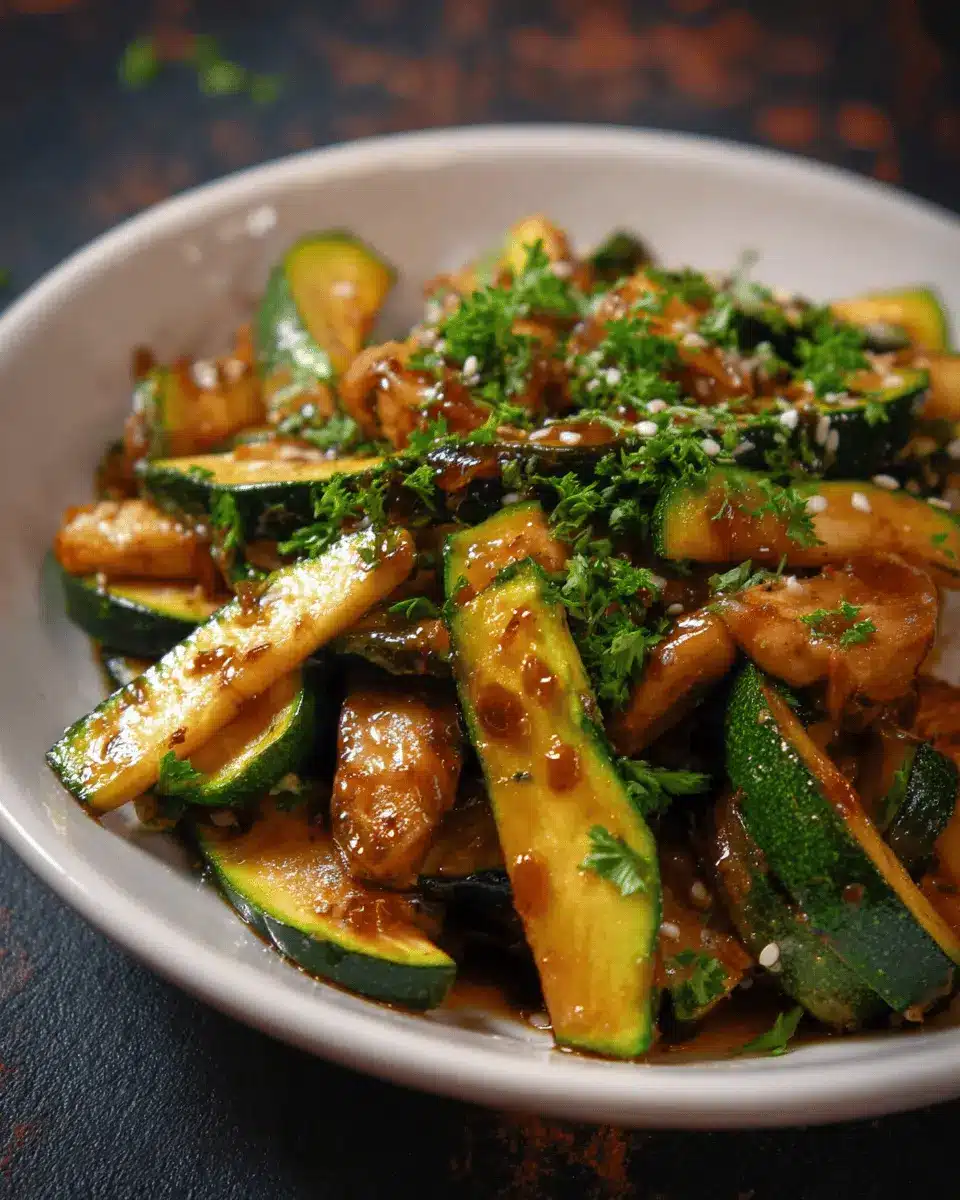
Variations on Hibachi Zucchini
Adding Protein: Chicken or Turkey Bacon
Want to elevate your Hibachi Zucchini into a more filling dish? Adding chicken or turkey bacon is a fantastic way to do just that! You can sauté the chopped protein alongside the zucchini for an extra punch of flavor and texture. This addition not only enhances the dish physically but also makes it a heartier option for lunch or dinner. Plus, the savory notes from the turkey bacon complement the zucchini beautifully. It’s a quick fix to transform a side into a satisfying main!
Spice It Up: Adding Red Pepper Flakes
If you enjoy a little heat, consider sprinkling in red pepper flakes during cooking. This simple tweak will add warmth to your Hibachi Zucchini. Just a pinch can elevate the flavor profile, giving you a delightful kick that pairs wonderfully with the buttery goodness. Whether you're prepping a casual weeknight dinner or impressing friends at a gathering, adding these flakes can really bring the dish to life!
For more variations and tips on enhancing your zucchini meals, check out resources from the American Heart Association or the Academy of Nutrition and Dietetics.
Cooking Tips and Notes for Hibachi Zucchini
Choosing the Right Zucchini
When preparing Hibachi Zucchini, the right zucchini can make all the difference! Look for firm, unblemished vegetables. Young zucchini are best as they have a tender skin and mild flavor. If you're unsure, opt for medium-sized ones—too large can be seedy and mushy. For a colorful twist, consider using yellow zucchini along with green!
Timing Is Key: Avoid Overcooking
The secret to perfect Hibachi Zucchini? Timing! Cook them until slightly charred, about 6-8 minutes. This keeps them crisp and enhances their natural sweetness. Keep an eye on them; overcooked zucchini can turn mushy, losing that satisfying bite. Stir frequently to ensure even cooking, and let the delicious aroma guide you! For more vegetable tips, check out Choosing Fresh Veggies.
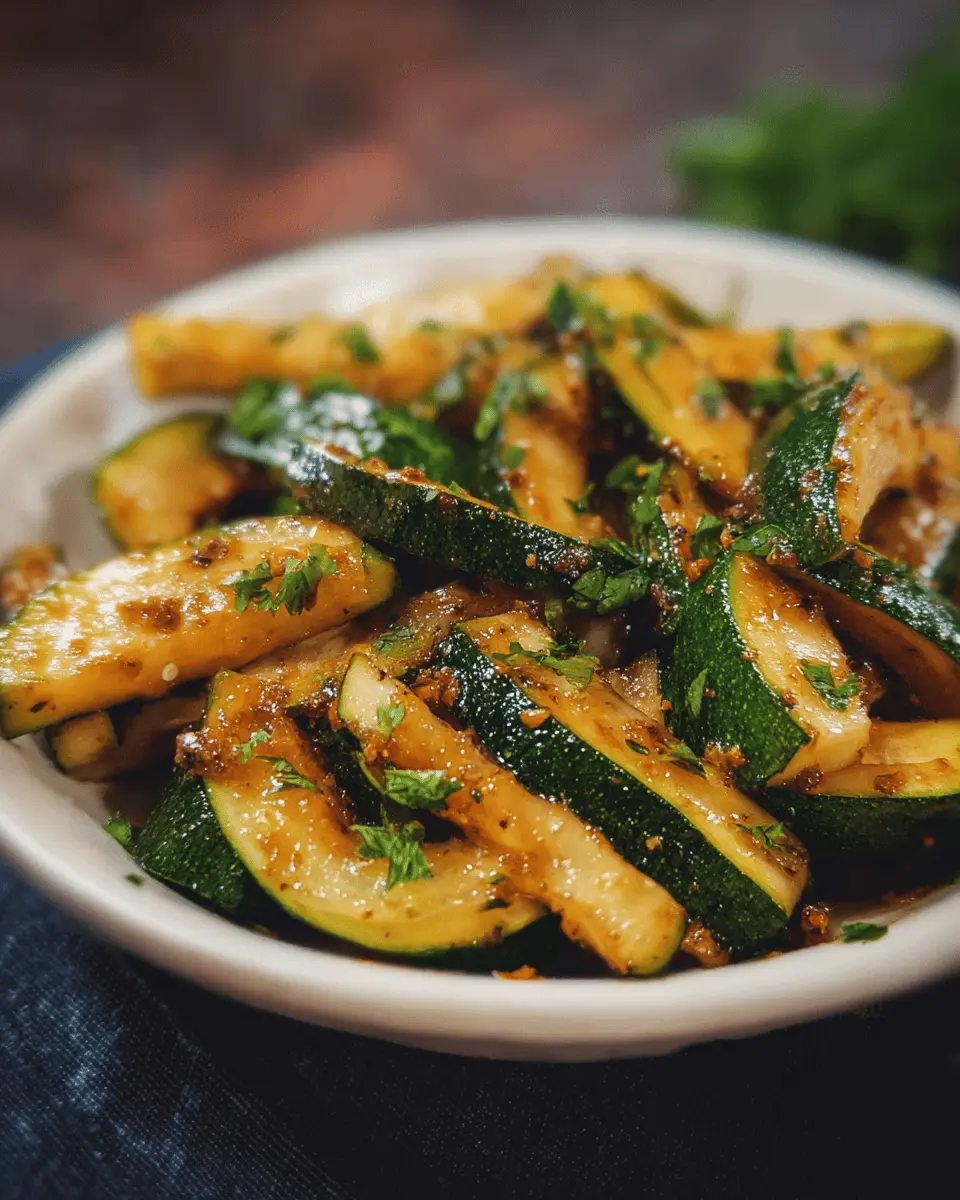
Serving Suggestions for Hibachi Zucchini
Pairing with Grilled Protein
Hibachi Zucchini is delightfully versatile, pairing wonderfully with a range of grilled proteins. Try serving it alongside juicy grilled chicken, succulent turkey bacon, or even marinated beef. The smoky flavors of these proteins complement the savory, slightly sweet notes of the zucchini beautifully. For a plant-based option, consider grilled tofu or tempeh, which absorb flavors well and add protein to your meal.
Serving as a Side Dish with Rice
Another fantastic way to enjoy Hibachi Zucchini is as a vibrant side dish with rice. Serve it over jasmine or brown rice for a wholesome, filling meal. The zucchini's buttery richness balances the fluffiness of the rice, creating a delightful textural experience. For added flavor, drizzle some additional soy sauce or top with chopped scallions and toasted sesame seeds. Feeling adventurous? Mix in some diced bell peppers or edamame for extra color and nutrition!
By trying these serving suggestions, you'll transform Hibachi Zucchini into a star dish in your kitchen!
Time Breakdown for Hibachi Zucchini
Preparation Time
Getting ready to whip up this delightful Hibachi Zucchini takes about 10 minutes. This includes rinsing and cutting the zucchini, which is super quick!
Cooking Time
You’ll spend approximately 15 minutes cooking the veggies to perfection. The actual sautéing and caramelizing make all the difference!
Total Time
So, the total time from start to finish is around 25 minutes. Perfect for a quick weeknight side that feels gourmet without the fuss!
For more delicious side dishes, check out Food Network or Serious Eats.
Nutritional Facts for Hibachi Zucchini
When enjoying Hibachi Zucchini, it’s great to know a bit about its nutritional profile. Each serving packs a flavorful punch while still being light on calories.
Calories
This delightful dish comes in at just 98 calories per serving, making it a perfect side that complements heavier mains without the guilt.
Protein
With 3 grams of protein, Hibachi Zucchini provides a modest amount that contributes to your daily needs. Pair it with grains or legumes for a balanced meal.
Sodium
At 373 mg of sodium, be mindful if you are watching your salt intake. The soy sauce adds flavor but can increase sodium levels. Consider using low-sodium options if needed.
For more tips on healthy eating, check out Harvard Health for expert advice!
FAQs about Hibachi Zucchini
Can I make Hibachi Zucchini ahead of time?
Absolutely! Hibachi Zucchini can be made ahead of time and stored in the fridge for up to three days. Simply reheat it on the stovetop or in the microwave before serving. Just keep in mind that the texture may soften a bit with time, but it will still be delicious!
What other vegetables work well in this recipe?
Get creative! This recipe can easily accommodate other vegetables like bell peppers, mushrooms, or snap peas. They can add color and variety while enhancing the flavor profile. Feel free to mix and match based on what’s seasonal or available in your pantry.
How can I make this dish vegan?
Making Hibachi Zucchini vegan is simple! Just replace the two tablespoons of butter with additional oil, such as olive or coconut oil. You can also use vegetable broth instead of butter for added depth. Enjoy this delightful dish with all your favorite plant-based meals!
For more tips on creating the perfect zucchini dish, check out this article on grilling vegetables and spice up your meal options!
Conclusion on Hibachi Zucchini
In summary, Hibachi Zucchini is a quick and delicious way to enjoy veggies that brings delightful flavors to your table. The combination of garlic, ginger, and soy sauce elevates this dish, making it a versatile side or light meal. Don't miss trying garnishes like scallions and sesame seeds for an extra touch!
Hibachi Zucchini
Equipment
- Wok
Ingredients
Zucchini Mixture
- 2 large zucchini green or yellow
- 1 tablespoon oil
- 2 tablespoons butter salted or unsalted, replace with oil for vegan
- 1 teaspoon minced ginger
- 1 teaspoon minced garlic
- 1 cup sliced onions
- 2 teaspoons soy sauce use tamari for gluten free
- 0.25 teaspoon salt
- 0.25 teaspoon black pepper powder
- chopped scallion greens for garnishing
- toasted white sesame seeds for garnishing
Instructions
Preparation Steps
- Rinse zucchini and wipe them with a kitchen cloth. Discard ½-inch of top and bottom. Cut them into 2-inch long batons (batons are stick cut about 8 mm in thickness).
- Do not peel the zucchini.
- Heat oil and butter in a large wok over medium-high heat.
- Add ginger and garlic and sauté for 4-5 seconds.
- Add zucchini and onions and saute for a minute.
- Now add soy sauce, salt, and pepper powder, and mix well.
- Cook uncovered for 6-8 minutes until the liquid released by zucchini is evaporated and they are slightly charred, stirring frequently.



Leave a Reply